Quick answer
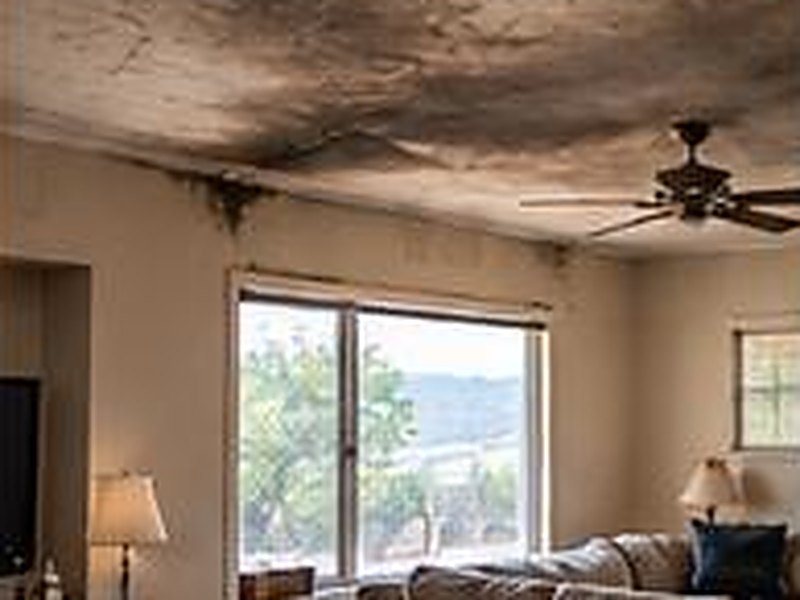
Wait for the fire department to tell you it is safe to go back inside, contact your insurer and the Red Cross if you need shelter, photograph the damage, do not use the HVAC and do not try to wash soot yourself. Soot is acidic, so professional cleanup should begin soon.
First priorities
- People and pets. Make sure everyone is safe and accounted for. Get medical attention for smoke inhalation.
- Do not re enter until cleared. The fire department decides when it is safe. Structures can be unstable and hot spots can reignite.
- Find shelter. If you need emergency shelter and food, the American Red Cross can help. Ask your insurer about living expense coverage.
- Contact your insurance company and start a claim.
- Secure the property. Restoration companies can board up and tarp.
Document the loss
- Photograph and video all areas, including those that look untouched
- List damaged and lost belongings with approximate value and age
- Do not throw anything away until your insurer has seen it, unless it is hazardous
- Keep receipts for hotels, meals, clothing and other emergency spending
Do not do these things
- Do not run the HVAC. It spreads soot and odor through the house
- Do not wipe or wash walls. You can drive soot deeper into surfaces
- Do not eat food that was exposed to heat, smoke or firefighting water
- Do not turn on electronics that were near the fire or water
- Do not stay in a house with heavy soot and smoke odor if anyone has breathing problems
Water damage is part of fire damage
Firefighting leaves a lot of water behind. Rooms the fire never touched may be soaked. Extraction and drying should begin right away to limit mold. Read our guide to water damage restoration.
Soot and smoke cleanup
Professional cleanup includes removing soot with the right methods for each surface, cleaning ducts, treating odors and cleaning belongings. Different fires leave different residues. Protein residue from kitchen fires is nearly invisible but smells strong, while smoke from burning plastics leaves a sticky residue that is hard to clean. See fire and smoke damage restoration.
Important documents and records
- Contact your mortgage company and tell them about the loss
- Replace lost IDs, passports and vehicle titles
- Forward your mail if you are living elsewhere
- Contact utility companies about service
Insurance and living expenses
Many policies include additional living expense coverage if the home cannot be lived in. Ask what it covers and for how long, and keep every receipt. Your insurer makes the coverage decision, but a restoration company can provide photos, inventories and scope documents.
Rebuilding
After cleaning and drying, repairs are scheduled in line with the approved scope. Many restoration companies coordinate or provide reconstruction. Ask about permits, timelines and how changes to the scope will be handled.
Frequently asked questions
How soon should soot cleanup begin?
As soon as the fire department says the building is safe. Soot is acidic and can stain and corrode surfaces within days.
Can smoke smell be removed permanently?
Usually yes, when the source is cleaned and the right deodorizing methods are used. Odor that has soaked into porous materials may require replacing them.