Quick answer
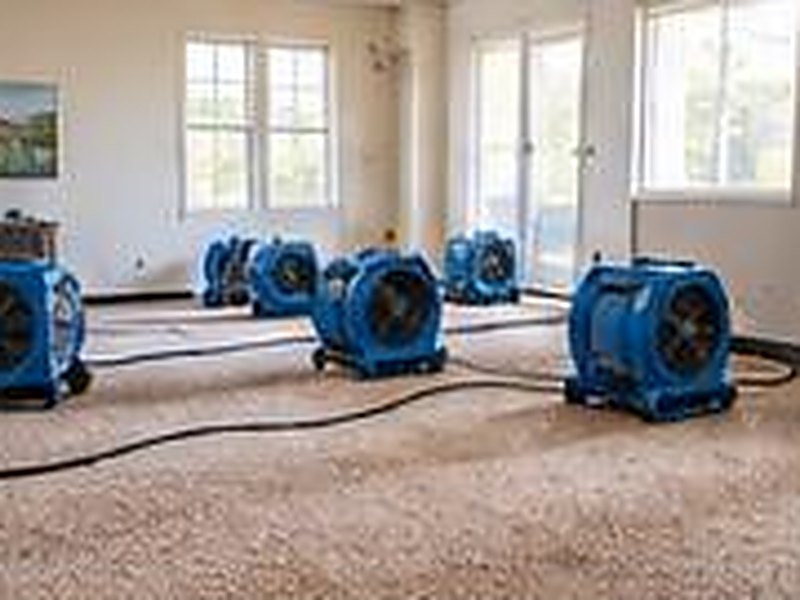
Most structural drying takes about three to five days with commercial equipment. Larger losses, thick materials such as hardwood and plaster, and wet insulation or cavities can take longer. Professionals check moisture readings daily and stop only when materials reach drying goals.
The short answer
For a typical residential loss in Arizona, a crew should expect to dry the structure in roughly three to five days. That timeline is a rule of thumb. It is not a promise, and the job takes as long as the materials need.
What speeds drying up or slows it down
- How quickly drying starts. The sooner the water is extracted, the less moisture soaks into materials.
- The source and amount of water. A small supply line leak is different from a flood that covers several rooms.
- The materials. Drywall and carpet dry relatively quickly. Hardwood, plaster, concrete and cabinets take longer and sometimes need special equipment.
- Hidden water. Water inside wall cavities, under cabinets and in insulation takes more effort to find and dry.
- Indoor conditions. Air movers and dehumidifiers work best in a closed, conditioned space. High humidity during monsoon season slows drying.
- Equipment. Properly sized equipment and good placement make a major difference.
Classes of water damage
The IICRC S500 standard describes four classes based on how much water soaked in and how fast the materials will give it up.
| Class | Description |
|---|---|
| Class 1 | Least amount of water absorbed. Small area, low porosity materials. |
| Class 2 | A whole room is wet. Carpet and padding are wet, and water has wicked up walls. |
| Class 3 | Water has come from above. Ceilings, walls, insulation and carpet are saturated. |
| Class 4 | Specialty drying situations involving materials with very low permeance, such as hardwood, plaster, concrete and stone. |
What professionals actually do each day
- Day one. Extraction, moisture mapping, removal of wet materials that cannot be saved, and setup of air movers and dehumidifiers.
- Day two and three. Check readings, adjust equipment, open or treat areas that are not drying.
- Day four and five. Final readings, confirm materials meet drying goals, remove equipment and document.
Ask for a copy of the moisture log. It is the record that proves the structure was dried and it supports your insurance claim.
How to tell it is dry
Dry does not mean it feels dry. Technicians compare readings in affected materials to readings in unaffected materials of the same type in your home. When the readings match, the material has reached its drying goal. Drying equipment is turned off after that.
Why drying should not be rushed or stopped early
Turning off equipment early to save noise or electricity can leave moisture in walls and floors. That trapped moisture is how many mold problems begin weeks later. Keep the equipment on until your technician says the readings are done.
Frequently asked questions
Why is the equipment so loud and hot?
Dehumidifiers and air movers must run constantly to pull moisture out of the structure. The heat from dehumidifiers also helps drying, so expect the house to feel warm.
Will my electric bill go up?
Yes, commercial drying equipment uses a lot of power. Ask your insurer whether they will reimburse the extra electricity.