Quick answer
Shut off the water source, stay safe around electricity, record video and photos, move small valuables to dry surfaces and call a restoration company right away. In Arizona, drying should begin as soon as possible because mold can start growing on wet materials within 24 to 48 hours.
Hour one: stop the water and stay safe
The first job is to stop more water from coming in. For a burst pipe, a failed supply line or a leaking appliance, close the main water valve for the house. Most Arizona homes have it near the front hose bib, on the side of the house at the water meter, or in the garage. If you do not know where it is, find out today, before you ever need it.
- Close the main valve, or the shutoff under the fixture or behind the appliance.
- If water is near outlets, a breaker panel or light fixtures that are dripping, do not touch them. Turn off power at the main breaker only if the panel is dry and you can reach it without stepping in water. If you cannot, stay out and call the electric utility or an electrician.
- Keep children, older adults and pets out of the wet area.
- If the water came from a sewer backup or outside flooding, treat it as contaminated and stay out of it.
Hours one to three: document before you clean
Insurance claims go better with good records. Before you move anything, record a slow video of every affected room, floor to ceiling, and narrate what you see. Then take close photos of the source, wet walls and ceilings, damaged flooring and belongings. Note when you found the damage and what you think caused it.
Hours one to four: call for help
Call a restoration company as soon as the source is stopped. You can reach our phone line at any hour and we will connect you with an independent local company. Water moves quickly. Within a day, drywall softens, wood swells and padding is soaked through. A trained crew with pumps, moisture meters and drying equipment limits how much of your home is lost.
What you can do while you wait
- Lift small furniture, electronics, papers, photos and keepsakes onto dry surfaces.
- Pull up rugs and take cushions and clothes out of wet areas.
- Open cabinet doors where it is safe to let air in, but do not pry open walls yourself.
- Mop up small pools of clean water on hard floors.
- Keep the air conditioning running for the rest of the house, but turn off the system if water got into the air handler or ducts.
What not to do
- Do not use a regular household vacuum on water.
- Do not use ceiling fixtures or fans under a wet ceiling.
- Do not walk through water near electrical equipment.
- Do not ignore a small leak because it seems to have stopped. Wet materials keep spreading moisture.
- Do not throw away damaged belongings before you photograph them.
Hours four to eight: call your insurance company
Report the loss promptly. Have your policy number, your photos and a short description of what happened. Ask what your policy requires from you and keep notes of the call, the name of the representative and any claim number. See our guide on how to file a water damage claim in Arizona.
The next three days
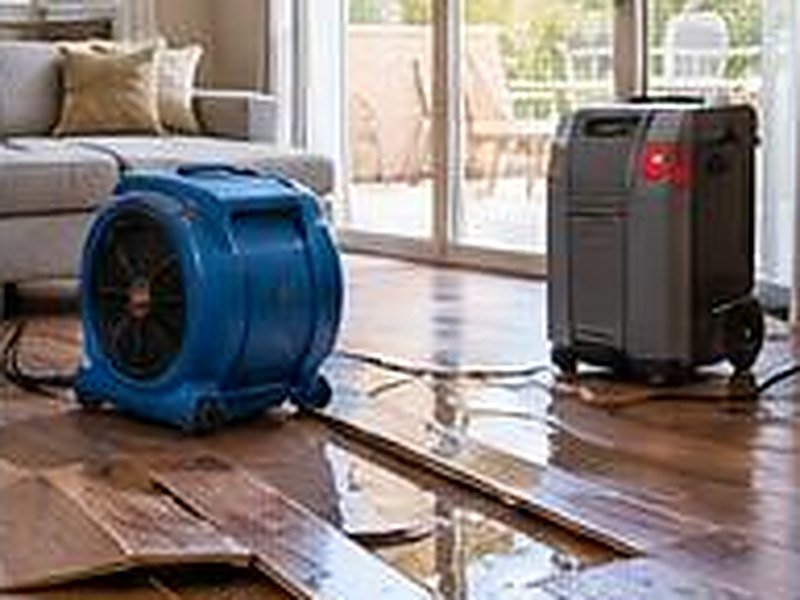
Professional drying typically takes about three to five days. The crew checks moisture readings daily and adjusts equipment. Do not shut off the equipment early, even though it is loud. Once everything reads dry, repairs can start.
Frequently asked questions
How long do I have before mold starts?
Mold can begin to grow on wet materials within 24 to 48 hours, which is why drying should start immediately.
Should I call the insurance company or the restoration company first?
Stop the water, then call for mitigation right away. Notify your insurer the same day if you can. Your policy usually requires you to take reasonable steps to prevent further damage.
Can I use fans and a dehumidifier to dry the house myself?
For a very small, clean spill on a hard floor that may be enough. For wet walls, carpet pad, ceilings or insulation, consumer equipment rarely dries things fully, and hidden moisture leads to mold.