Quick answer
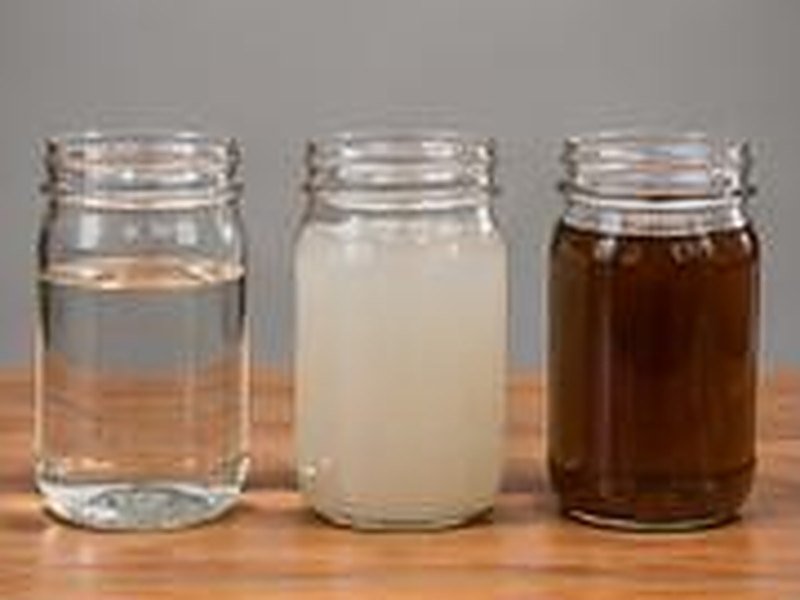
Category describes how contaminated the water is: Category 1 is clean, Category 2 is gray and Category 3 is black. Class describes how much water the materials absorbed and how hard they are to dry, from Class 1 to Class 4. Both come from the ANSI and IICRC S500 standard and shape the plan and the cost.
Why categories and classes matter
When you read a restoration estimate or talk with an insurance adjuster, you will hear two terms: category and class. They describe different things. Category is about contamination. Class is about how much water there is and how fast it will evaporate. Knowing both helps you understand what is being proposed and why.
Categories of water
Category 1: clean water
Water from a sanitary source such as a broken supply line, an overflowing sink with clean water, a leaking water heater or rain through a roof. It is not a health risk at the start.
Category 2: gray water
Water that contains chemical or biological contamination and could cause illness. Examples include dishwasher and washing machine overflows and toilet overflows with urine but no feces. It requires protective equipment and, often, removal of porous materials.
Category 3: black water
Grossly contaminated water that can carry dangerous pathogens. Examples include sewage backups, flood water from outside and standing water that has grown bacteria. Porous materials that were soaked are typically removed and discarded, and the area is cleaned and disinfected. See biohazard and sewage cleanup.
Water gets worse with time
Category 1 water can become Category 2 or 3 if it sits too long, picks up contaminants from building materials or grows bacteria. Temperature matters too. This is another reason to start extraction early.
Classes of water damage
- Class 1. Affects part of a room, with materials that absorb little moisture.
- Class 2. Affects a whole room with wet carpet and padding, and moisture has wicked up the walls.
- Class 3. Water came from overhead, soaking ceilings, walls, insulation and floors.
- Class 4. Specialty drying for dense materials like hardwood, concrete and plaster that hold water.
How the combination changes the work
| Situation | What it usually means |
|---|---|
| Category 1, Class 1 | Quick extraction and focused drying. Often salvageable materials. |
| Category 1, Class 3 | Overhead water, wet insulation and drywall. More removal and more drying equipment. |
| Category 2 | Cleaning and sanitizing plus possible removal of carpet pad and some other materials. |
| Category 3 | Containment, protective gear, removal of porous materials and disinfection. |
Questions to ask your provider
- What category and class did you identify, and how did you decide?
- Which materials are you removing and why?
- What equipment are you using and how many pieces?
- How and when will you document moisture readings?
Frequently asked questions
Who decides the category of water?
A trained technician makes the determination at the site based on the source and conditions. Your insurer may review the documentation.
Can clean water damage carpet be saved?
Sometimes. Carpet that was wet with Category 1 water for a short time may be dried in place, but pad is often replaced. If the water was contaminated, carpet is usually removed.