Burst pipes and leaks
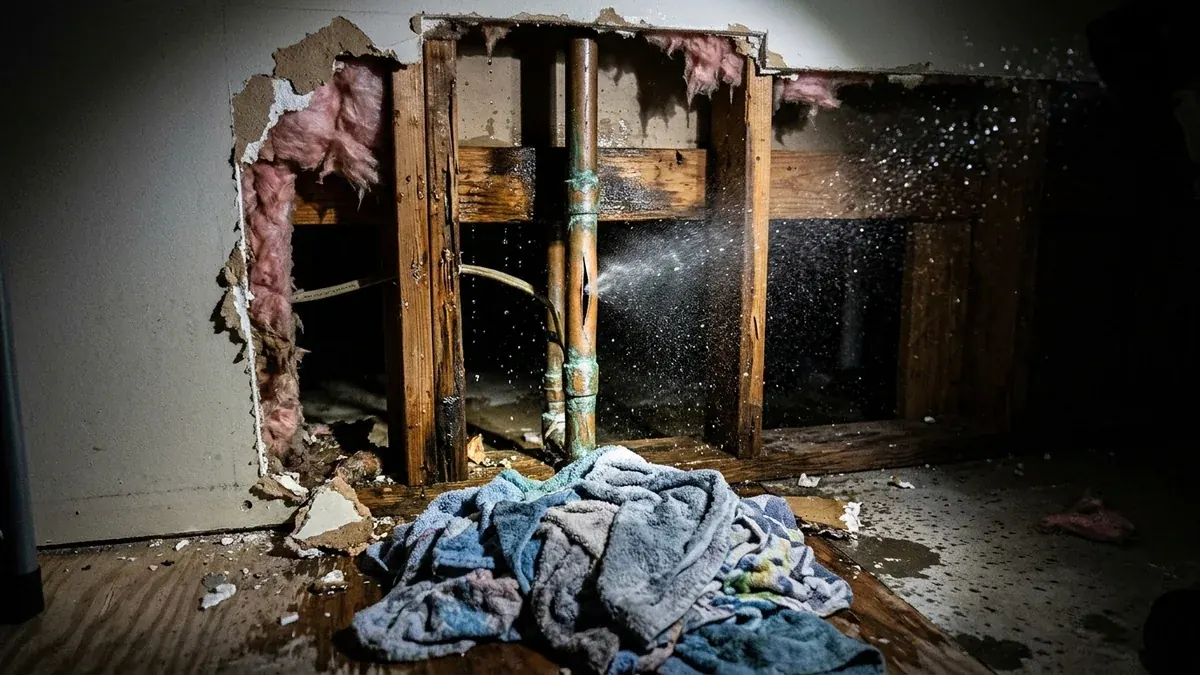
Shut off the main valve, then call. Extraction and drying should start quickly.
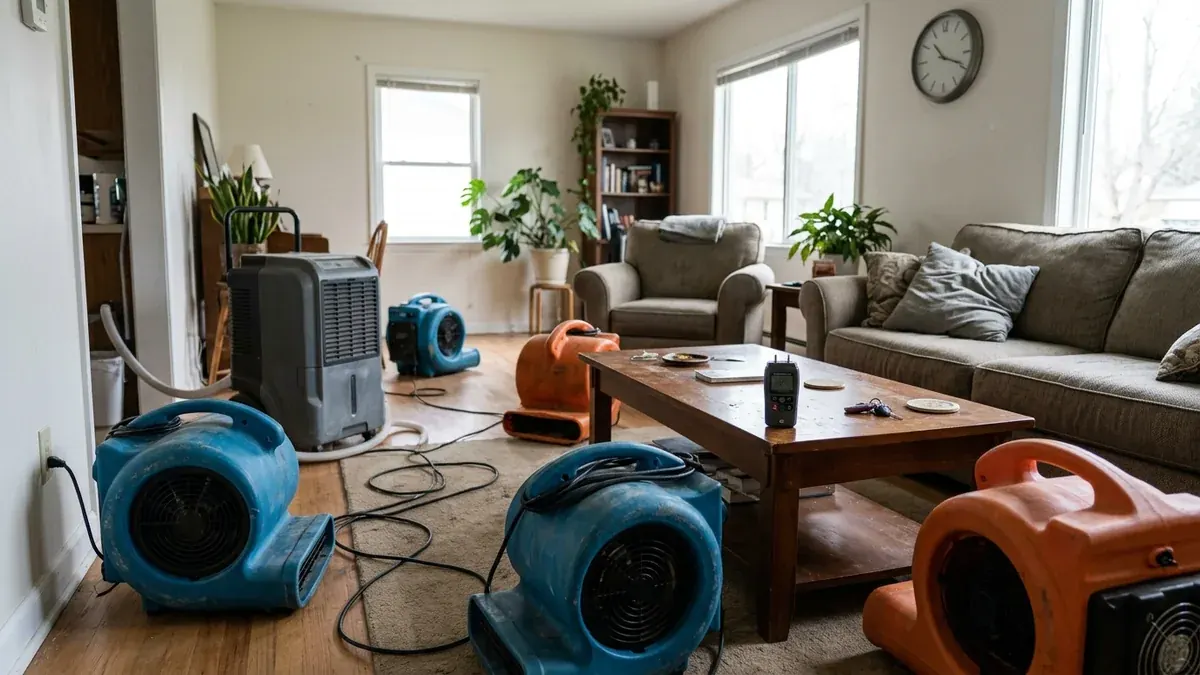
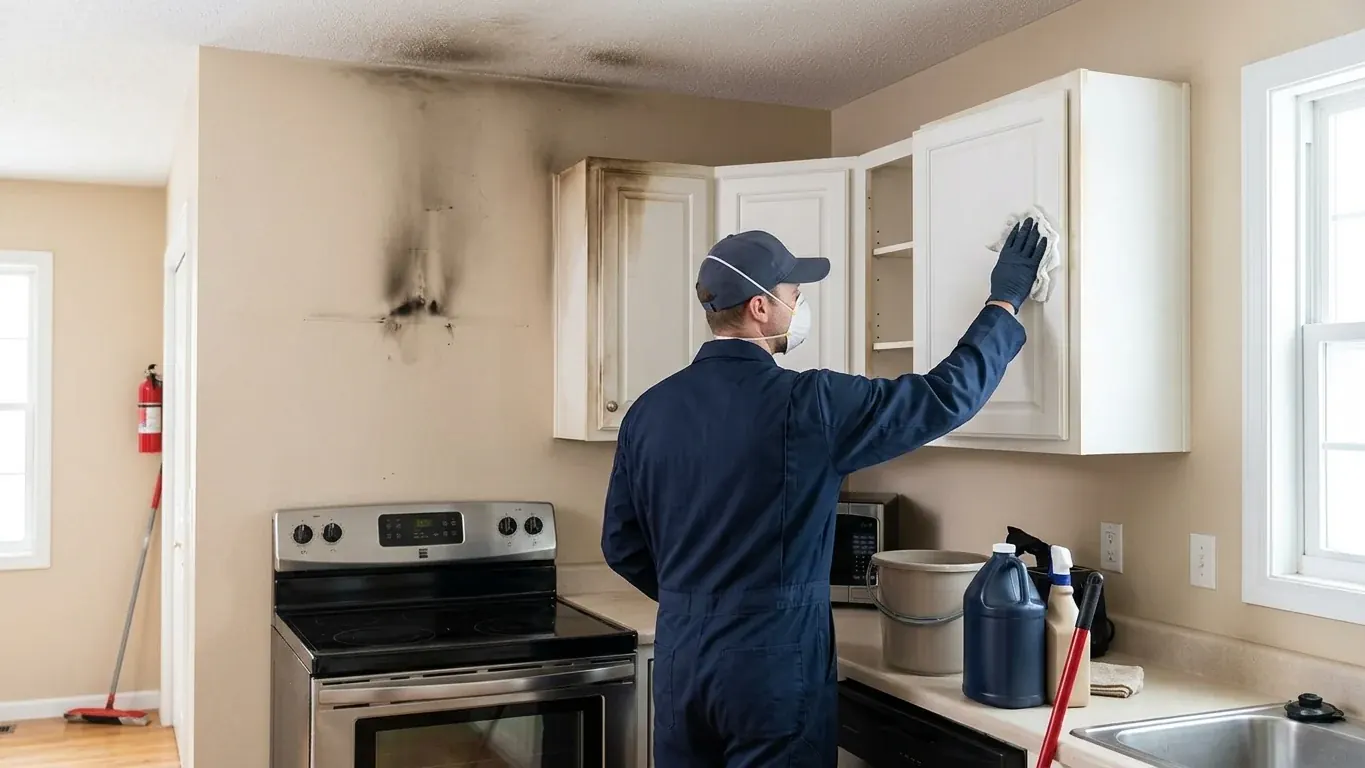
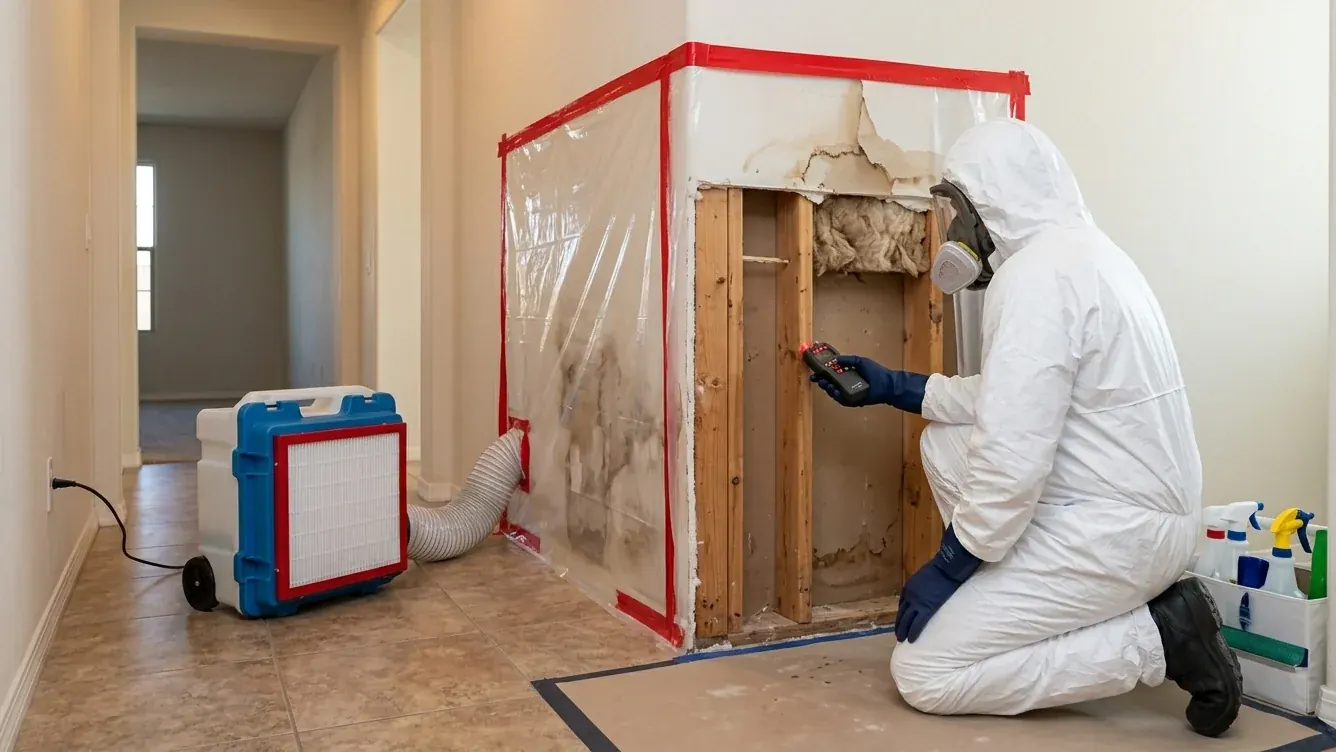
Burst pipe, failed water heater, roof leak, storm or monsoon flood. Call now, any hour, and reach a local crew near you for water, fire, mold and biohazard cleanup.
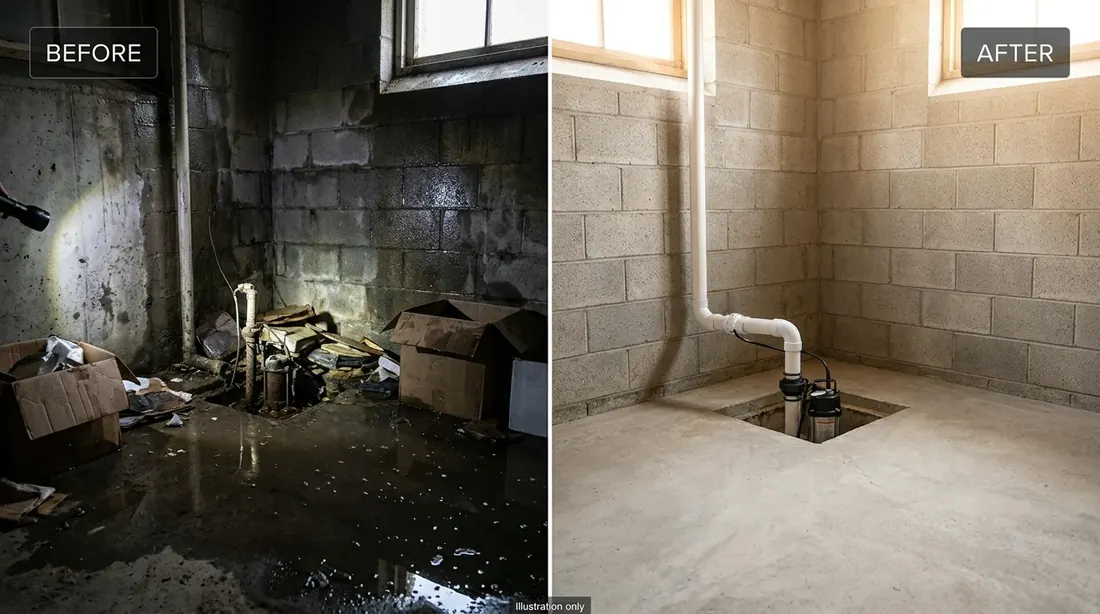
Tell the operator what happened and whether water is still running. Help is one call away.
(623) 310-1555Phone line open 24 hours a day, every day
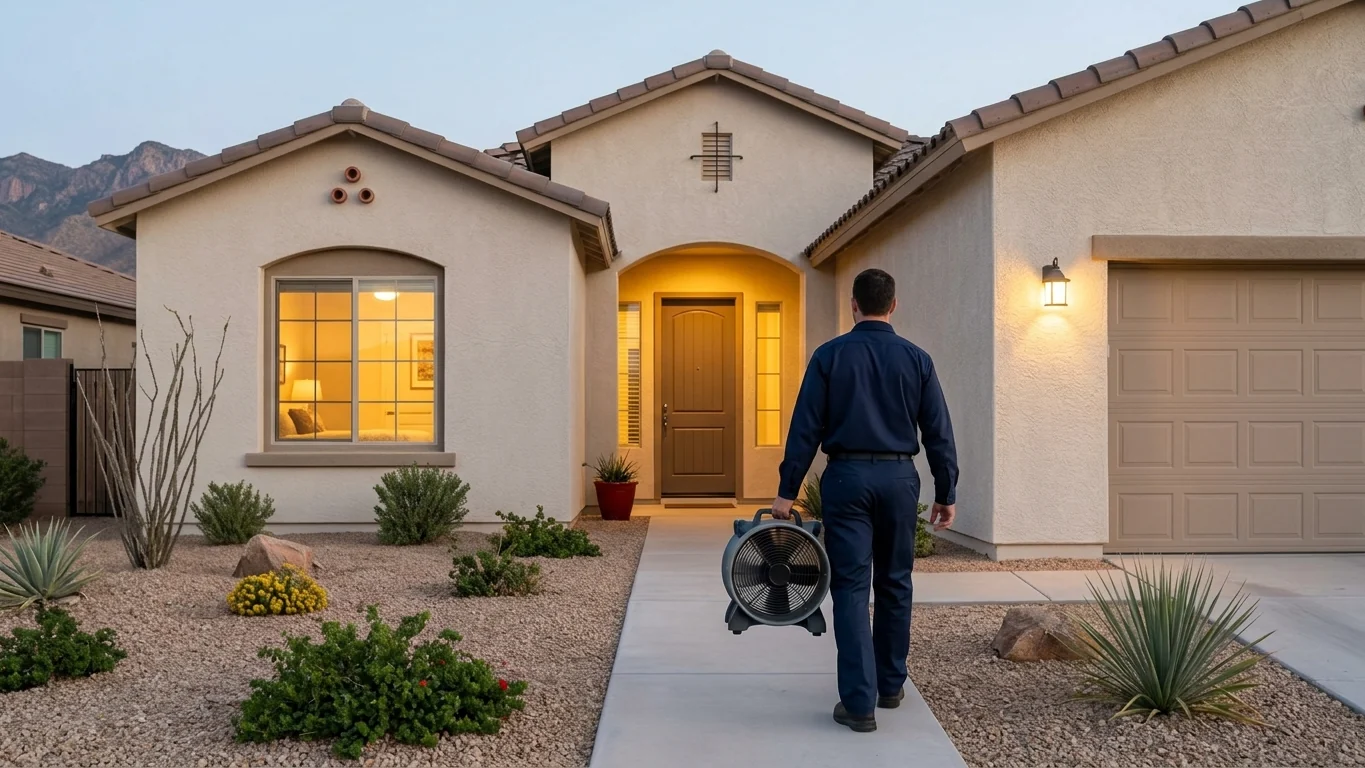
The first hour sets the size of the repair bill. These six steps protect your home while you wait for help.
Stop the source. Close the main water valve, a fixture shutoff or the appliance valve if you can reach it safely.
Think about electricity. If water is near outlets, a panel or wet ceilings with light fixtures, turn off power at the breaker only if the panel is dry and you can reach it without standing in water.
Protect people first. Keep children, older adults and pets away from wet areas, and stay out of anything that smells like sewage.
Document before you clean. Record a slow walkthrough video, then take close photos of the source, damaged materials and belongings.
Move what you can. Lift small furniture, electronics, documents and keepsakes onto dry surfaces, and pull rugs and cushions out of wet areas.
Call for help right away. Every hour of delay spreads moisture further into drywall, subfloors and insulation.
Call (623) 310-1555 day or night. Give your city, say what happened and whether water is still running. These are the urgent problems callers phone about most.
Shut off the main valve, then call. Extraction and drying should start quickly.
Monsoon flooding, hail roof damage and wind driven rain. Know which alerts to watch.
Leaks from storm damage, worn roofs and snow melt that soak insulation and drywall.
Winter storm damage in northern Arizona, from burst frozen pipes to roof leaks from snow and ice.
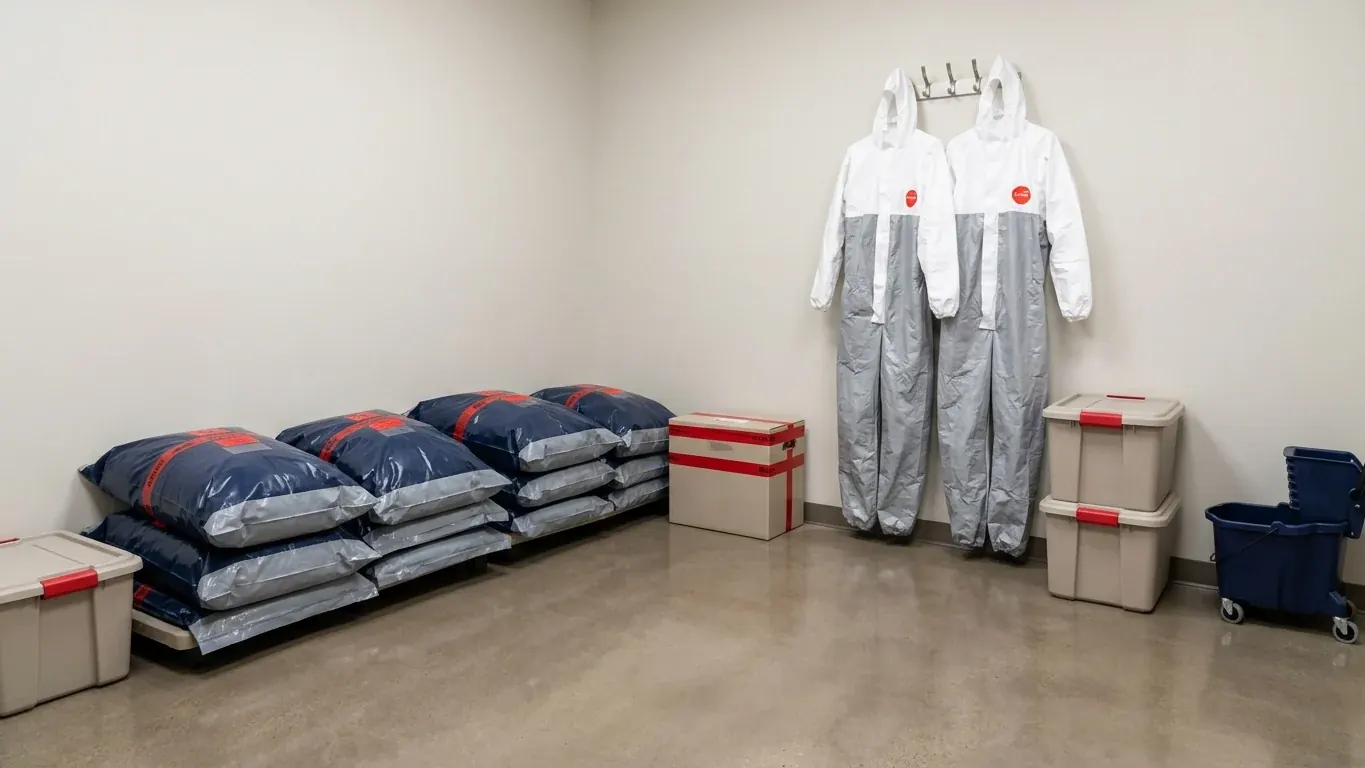
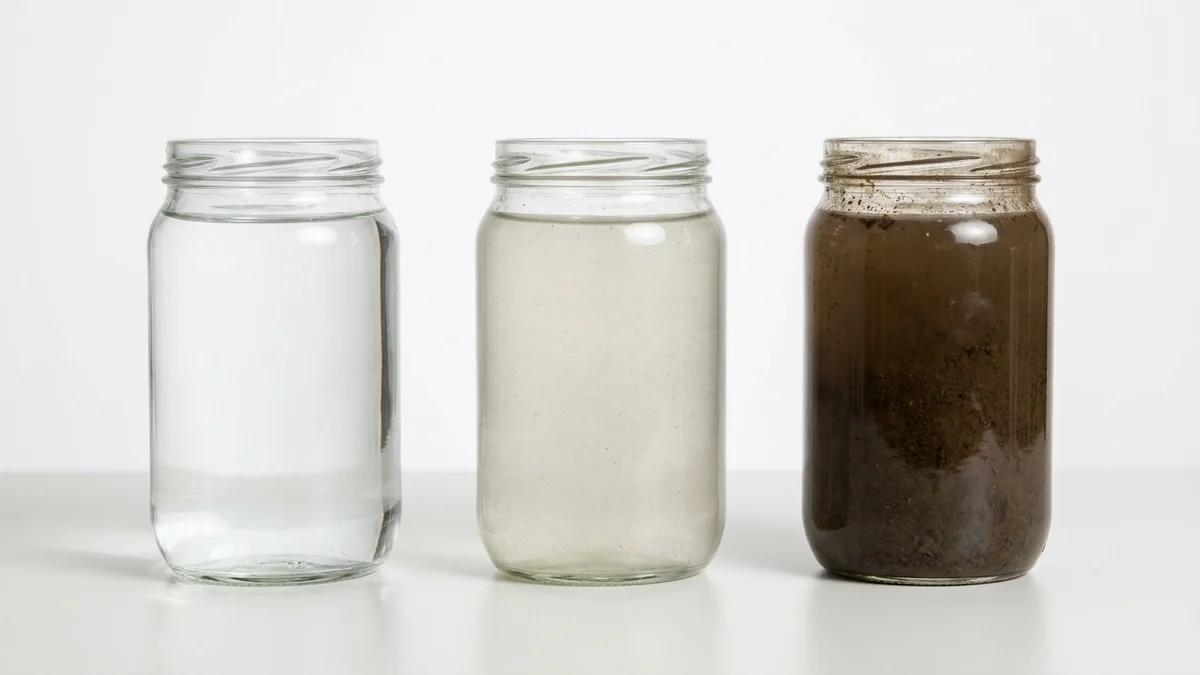
Contaminated water needs protective gear and proper disposal. Keep people away.
Set up weather and emergency alerts for your Arizona city before the next storm.
Tell us what happened and a local restoration crew is lined up for your address.
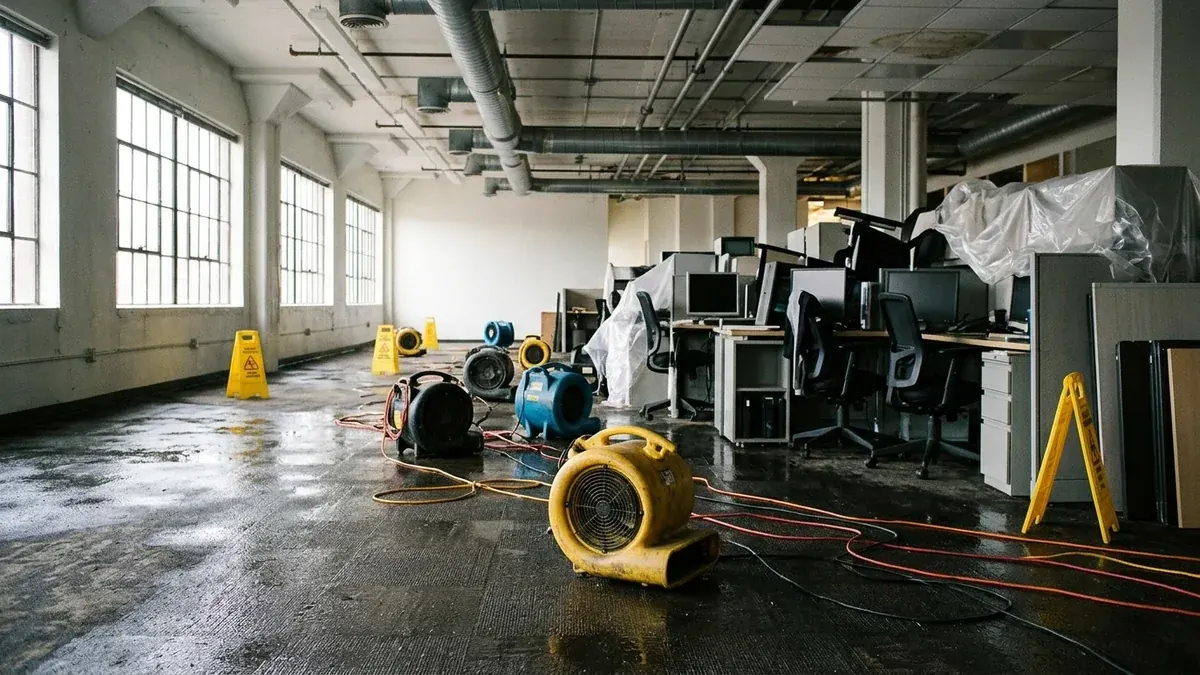
Burst pipes, appliance leaks, roof leaks and monsoon flooding. Water extraction, drying and cleanup.
Learn more →Soot, smoke and odor removal, board up, content cleaning and repair coordination after a fire.
Learn more →Containment, removal and cleanup of mold growth, plus finding and fixing the moisture behind it.
Learn more →Sewage backups, contaminated water and trauma scene cleanup handled with proper protective protocols.
Learn more →When you call, we connect you with a local restoration crew in our network that serves your city.
That company talks with you directly, explains its process and pricing, and does the work. You choose whether to hire it. Before any work starts, check the license and ask for proof of insurance.
Arizona homes are sealed and air conditioned. When water gets into a wall, a ceiling or under a floor, it stays there. The EPA notes that mold can begin to grow on wet materials within 24 to 48 hours, and Arizona's monsoon humidity and summer heat do not slow that down indoors.
Wet drywall softens, carpet padding soaks through and wood swells within a day. The earlier extraction and drying start, the more of your home can be saved.
Water damage restoration near me starts with your city. Pick Phoenix or the nearest city below, or browse by region.
Each city page lists the ZIP codes we cover, local causes of water damage and what to do while you wait. Phoenix has the most ZIP codes, from 85003 to 85087.
Apache Junction · Avondale · Black Canyon City · Buckeye · Carefree · Cave Creek · Chandler · El Mirage · Fountain Hills · Gilbert · Glendale · Gold Canyon · Goodyear · Higley · Laveen · Litchfield Park · Luke Air Force Base · Mesa · New River · Paradise Valley · Peoria · Phoenix · Queen Creek · Rio Verde · San Tan Valley · Scottsdale · Sun City · Sun City West · Surprise · Tempe · Tolleson · Youngtown
Arizona City · Casa Grande · Coolidge · Eloy · Florence · Gila Bend · Hayden · Kearny · Maricopa · Superior · Winkelman
Ajo · Amado · Arivaca · Elgin · Green Valley · Mammoth · Marana · Nogales · Oracle · Patagonia · Rillito · Rio Rico · Sahuarita · San Manuel · Sonoita · Tubac · Tucson · Tumacacori · Vail
Benson · Bisbee · Douglas · Fort Huachuca · Hereford · Huachuca City · Naco · Pirtleville · Saint David · Sierra Vista · Tombstone · Willcox
Ash Fork · Flagstaff · Holbrook · Munds Park · Page · Williams · Winslow
Camp Verde · Chino Valley · Clarkdale · Congress · Cottonwood · Dewey · Jerome · Mayer · Prescott · Prescott Valley · Sedona · Wickenburg · Yarnell
Alpine · Central · Claypool · Clifton · Duncan · Eagar · Forest Lakes · Fort Thomas · Globe · Greer · Heber · Lakeside · Miami · Morenci · Overgaard · Payson · Pima · Pine · Pinetop · Safford · Saint Johns · Show Low · Snowflake · Springerville · Taylor · Thatcher · Tonto Basin · White Mountain Lake · Woodruff
Bullhead City · Ehrenberg · Fort Mohave · Golden Valley · Kingman · Lake Havasu City · Mohave Valley · Parker · Quartzsite · Salome · San Luis · Somerton · Topock · Wellton · Yuma
Reach the phone line any hour of any day. There is nothing to fill out.
Share your city, the kind of damage and whether water or smoke is still active.
Your call is routed to a local restoration crew that covers your area.
The company contacts you, confirms details and explains how it plans to start.
Extraction, drying, cleanup or removal begins, with progress and moisture readings documented.
Records go to your insurer if you file a claim, and repairs are scheduled afterward.
From the Phoenix valley and Tucson to Flagstaff, Prescott, Yuma and the White Mountains. Pick your region to see the cities we cover.
Hot low desert with long summers, a short winter and a monsoon season that brings dust storms and sudden downpours.
32 cities covered
Open desert and farmland south of the Phoenix valley, with fast growing subdivisions mixed in with older rural properties.
11 cities covered
Higher and slightly cooler than Phoenix, ringed by mountains, with washes that run hard when monsoon storms hit.
19 cities covered
High desert grassland and mountain towns in Cochise County, with strong monsoon storms and cold winter nights.
12 cities covered
Pine forest, heavy winter snow and a different set of water problems than the desert: freezing pipes, ice dams and snowmelt.
7 cities covered
Mountain towns and canyon communities where winters bring freezes and summers bring monsoon cloudbursts.
13 cities covered
Pine country below and along the Mogollon Rim, plus the valleys and mining towns to the east, where cold winters are the main threat.
29 cities covered
Some of the hottest, driest country in the state, with winter visitor communities, vacation homes and river towns.
15 cities coveredWater problems follow the calendar here. Knowing the pattern helps you prepare and know what to expect.
| Months | Conditions | What it means for water damage |
|---|---|---|
| December to February | Freezing nights | Frozen and burst pipes, winter storm roof leaks. Ice dams and snowmelt in the mountains and high country. Even valley homes can lose exposed lines on a hard freeze. |
| March to May | Dry and mild | Snowmelt in the high country and the occasional spring storm. A good window to check roofs, drains, hoses and water heaters before summer. |
| June to September | Monsoon and peak heat | The monsoon season officially runs June 15 to September 30. Dust storms, flash floods and wind driven rain cause roof, window and garage leaks. Air conditioners run all day, so drain lines overflow. |
| October to November | Cooling off | Mostly dry, but remnants of Pacific tropical storms sometimes bring heavy rain. Early fall is a smart time to clean gutters, scuppers and drains and to protect pipes ahead of winter. |
Plain English guides on drying, insurance, mold, monsoon damage and hiring a company.
A clear checklist for the first 24 hours after water damage in an Arizona home, from shutting off the water to documenting loss and calling for help.
Read the guide →What to do when a pipe bursts in your Arizona home, from the main shutoff to drying, insurance and preventing a repeat.
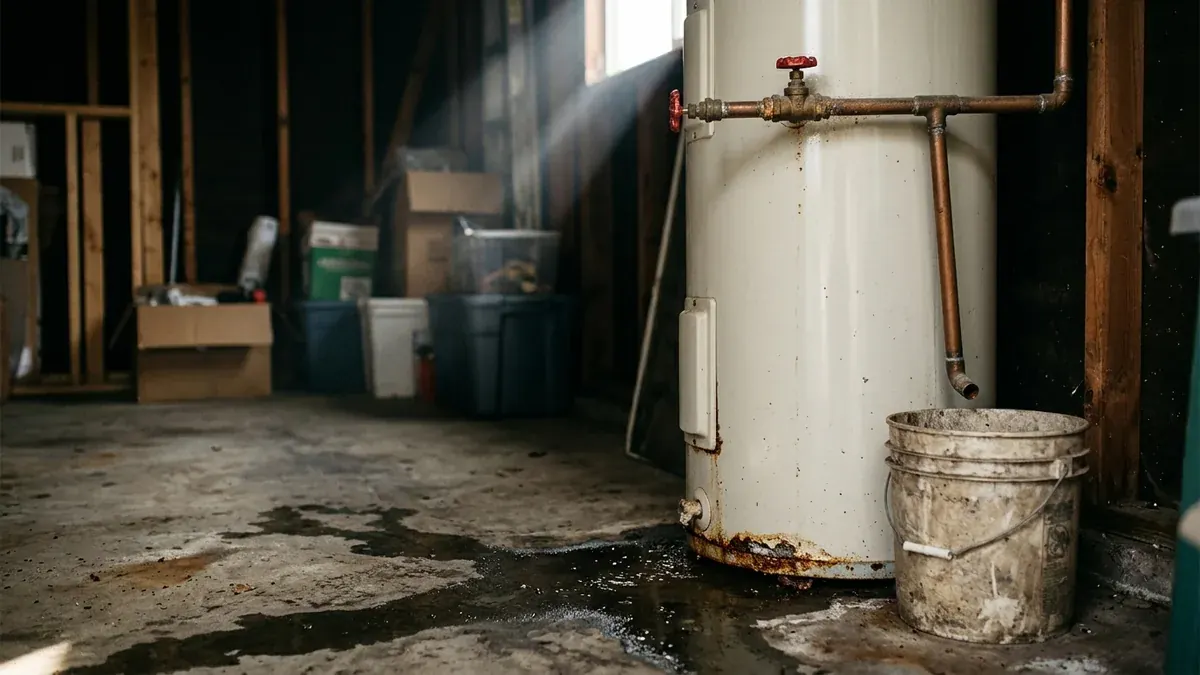
Read the guide →Steps to take when a water heater leaks or bursts, plus why they fail in Arizona and how to reduce the risk.
Read the guide →A realistic timeline for drying water damage, what affects it and how professionals know when a structure is dry.
Read the guide →What Category 1, 2 and 3 water means, what Class 1 to 4 means, and why they change how restoration is done.
Read the guide →Small clean water spills can be handled yourself. Hidden moisture, contaminated water and larger losses need professional drying. Here is how to tell the difference.
Read the guide →A local restoration crew that covers your area. It explains its process and pricing, does the work and bills you or your insurer. Before work starts, ask for its license number and proof of insurance, and check it at roc.az.gov.
It depends on where you live, the time of day, weather and how busy providers are. Most valley addresses are reachable faster than remote or mountain locations. When you call, give your nearest cross streets and say if water is still running so the right provider can be lined up quickly.
Shut off the water at the main valve if the source is a pipe or appliance. Turn off power to wet areas if you can do it safely. Take photos and video of everything. Lift small valuables off wet floors. Do not walk through standing water near outlets, and stay out of sewage.
Most standard policies cover sudden and accidental water damage, such as a burst pipe or a failed appliance hose. They usually exclude flood from outside water and damage from slow leaks that went on over time. Flood coverage is a separate policy. Read your own policy and ask your insurer before you decide how to proceed.
Mold can begin to grow on wet materials within 24 to 48 hours. Dry desert air does not protect a wall cavity or a carpet pad that is sitting wet inside a closed up, air conditioned house, so quick drying matters even in Arizona.
Use the license search on the Arizona Registrar of Contractors website at roc.az.gov. Look up the company name or license number, confirm the license is active and the classification fits the work, and ask for proof of liability insurance before work begins.
Using this site to get connected does not cost you anything. The company that performs the work sets its own pricing and will explain it to you before it starts.
Yes. Local providers handle homes, rentals, condos, apartment buildings and commercial properties. Mention the type of property when you call, and whether there is a landlord, property manager or HOA involved.
Every hour of standing water pushes moisture further into the structure. Call now and get connected.