Quick answer
If pipes freeze, shut off the water, open the faucet and warm the pipe slowly with a hair dryer or heating pad, never an open flame. If a pipe has already burst, close the main valve and call for water extraction. To prevent freezing, keep heat on, let faucets drip and drain pipes in vacant homes.
Why freezing is a real risk in Arizona
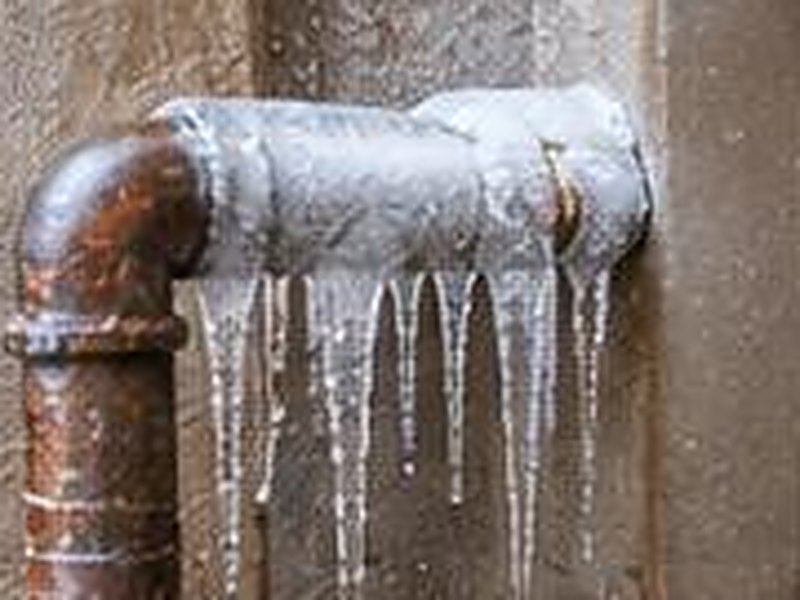
People think of Arizona as warm, but communities above about 4,000 feet, including Flagstaff, Prescott, Payson, Show Low and Sierra Vista, get hard freezes every winter. Even Tucson and parts of the Phoenix valley see occasional freezing nights that damage exposed pipes, hose bibs and irrigation lines. Water expands as it freezes, and that pressure can split a pipe. The flood comes when the ice thaws.
Where pipes freeze
- Pipes in exterior walls and crawlspaces
- Pipes in attics, garages and unheated utility rooms
- Outdoor hose bibs and irrigation backflow preventers
- Pipes in vacation cabins and second homes that are not heated
Prevent frozen pipes
- Disconnect and drain garden hoses, and cover or insulate outdoor faucets before the first freeze
- Insulate exposed pipes in crawlspaces, attics and garages
- Keep the thermostat set to at least 55 degrees if you leave the house, even for a weekend
- On very cold nights, open cabinet doors under sinks on exterior walls and let a faucet drip slowly
- For a vacant cabin or second home, shut off the main water valve and drain the lines, or have someone check it regularly
- Seal gaps where cold air enters near pipes
- Know where your main shutoff valve is
If a pipe is frozen but not burst
- Open the faucet so melting water has a place to go.
- Warm the pipe slowly with a hair dryer, a heating pad or warm towels. Start near the faucet and work toward the frozen area.
- Never use an open flame, a propane torch or a kerosene heater.
- If you cannot find or reach the frozen pipe, call a plumber.
If a pipe has burst
- Close the main water valve.
- Turn off electricity to the affected area only if it is safe.
- Photograph the damage.
- Call for water extraction and drying. Water inside walls and ceilings is easy to miss.
Ice dams
An ice dam forms when heat from the house melts snow on the roof, the water runs down to the cold eaves and refreezes. The ice builds up and traps water behind it. That water can back up under shingles and leak into ceilings and walls.
- Improve attic insulation and ventilation to keep the roof cold and even.
- Remove snow from the lower roof with a roof rake while standing on the ground.
- Do not chip at ice with a hammer or an axe. You can damage the roof and hurt yourself.
- If water is already coming in, call a roofer and a restoration company.
Post wildfire flooding
In some northern Arizona areas, past wildfires have left burn scars that shed water quickly. If you live downstream from one, ordinary storms can cause flooding, mud and debris flows. Check with your county emergency management office for flood risk and warnings.
Frequently asked questions
At what temperature do pipes freeze?
Pipes in unheated spaces can freeze when outdoor temperatures stay at or below about 20 degrees for several hours. Wind and poor insulation make it happen at higher temperatures.
Will homeowners insurance cover a burst frozen pipe?
Sudden freeze damage is commonly covered if you took reasonable steps, such as keeping the heat on. Policies may exclude vacant homes after a set number of days. Check your policy.