Quick answer
A typical restoration runs through the same stages: call and source control, inspection and moisture mapping, water extraction, removal of materials that cannot be dried, structural drying, cleaning and content handling, a dryness check, and rebuild. Each company sets its own scope, so ask for it in writing.
1. The call and source control
You describe what happened and whether water is still running. Shutting off the water at the main valve and cutting power to wet areas comes first.
2. Inspection and moisture mapping
The technician measures moisture in floors, walls and ceilings and records the water category and affected area, using the ANSI and IICRC S500 framework.
3. Water extraction
Pumps and extractors remove standing water. This step cuts drying time more than any other.
4. Removing what cannot be dried
Wet carpet pad, saturated insulation and some drywall are often removed. Contaminated materials are removed more aggressively.
5. Structural drying
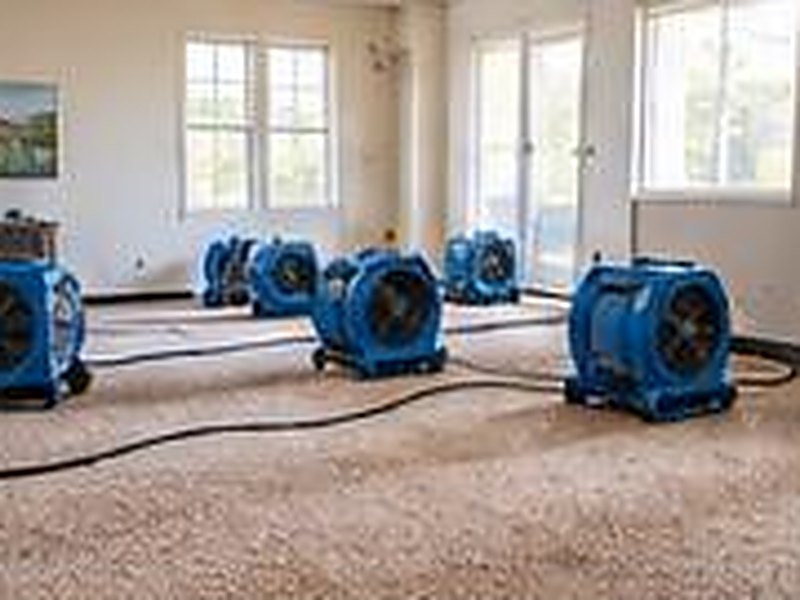
Air movers and dehumidifiers run for several days, with daily readings recorded until materials meet dry standards. A typical loss takes about three to five days.
6. Cleaning and contents
Affected surfaces are cleaned and sanitized. Belongings can be cleaned on site or packed out for cleaning and storage, then returned once the home is ready.
7. Dryness check and documentation
Final readings and photos support your insurance claim and show the structure is dry.
8. Repair and rebuild
Drywall, paint, flooring and cabinets are replaced. Some companies do this themselves while others hand off to a contractor.
We connect you with independent companies and do not do the work ourselves. Read more about how long drying takes and how to hire a company.
Frequently asked questions
How long does the whole process take?
Drying often takes three to five days. Repairs can add days or weeks depending on materials and scheduling.
What is a pack out?
Moving belongings out of the affected area for cleaning and safe storage while work is done, then returning them afterward.
Do I need to be home?
You will usually need to give access and approve the scope. Ask the company about daily visits and monitoring.
Who does the rebuild?
It depends on the company. Ask whether repairs are included or handled by a separate contractor.