Quick answer
Mold can begin to grow on wet materials within 24 to 48 hours, according to the EPA. Dry outdoor air does not protect a wall cavity, carpet pad or attic that is wet inside a closed up, air conditioned house. Fast drying, usually within the first day or two, is the best prevention.
The timeline
Mold spores are everywhere, indoors and out. They need moisture, food and a suitable temperature to grow. After water damage, building materials supply the food, indoor temperatures are comfortable and the moisture is the missing ingredient that you can control.
| Time after water | What can happen |
|---|---|
| 0 to 24 hours | Materials absorb water. Spores are present and can start to germinate on damp surfaces. |
| 24 to 48 hours | Mold can begin to grow on wet materials such as drywall, wood and carpet pad. |
| 3 to 7 days | Colonies spread, odor becomes noticeable and more materials may need to be removed. |
| 1 to 2 weeks | Growth can be extensive in wall cavities, attics and under flooring. |
Why Arizona is not an exception
It is common to hear that mold is not a problem in the desert. Outdoors, dry air keeps wet things from staying wet for long. Indoors, the story is different.
- Modern homes are sealed and air conditioned, which traps moisture inside walls and under floors.
- Insulation, carpet pad and drywall paper hold water for days.
- Monsoon humidity makes drying slower in summer.
- Attics can trap moisture from roof leaks and AC drain overflows.
- Many Arizona houses sit empty for weeks while owners are away, so a leak has time to cause damage.
What stops mold
- Stop the source of water.
- Remove standing water quickly.
- Dry the structure with commercial equipment until readings reach normal.
- Remove materials that cannot be dried, such as saturated insulation, soaked drywall and padding.
- Keep indoor humidity under control. The EPA suggests aiming for 30 to 50 percent relative humidity.
Early warning signs
- A musty or earthy smell in a room that got wet
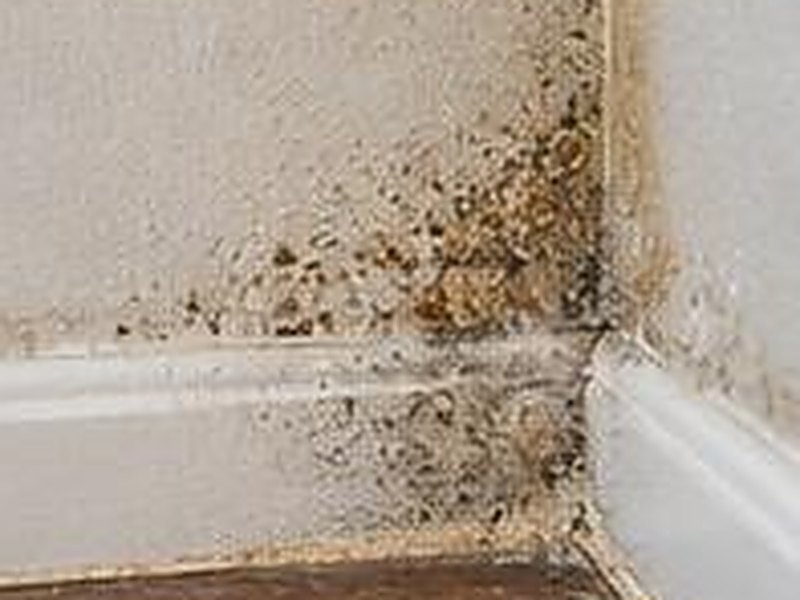
- Spots or fuzzy growth on walls, ceilings, grout or trim
- Paint that bubbles or peels
- Stains that return after cleaning or painting
- Allergy like symptoms that improve when you leave the home
What to do if you suspect it
Find and fix the moisture source first. A small area of mold, about ten square feet or less according to EPA guidance, can often be cleaned by a homeowner wearing protective gear. Larger areas, hidden growth and anything linked to sewage or flood water call for professional help. Read our mold remediation guide and the guide on testing and removal.
Frequently asked questions
Can mold grow in a dry climate like Phoenix?
Yes. Outdoor dryness does not prevent growth inside a wall or under a floor that is wet. Mold grows wherever it finds moisture and food.
Does drying out a house kill the mold?
Drying stops growth, but it does not remove existing mold. Material that already has mold usually has to be cleaned or removed.