Quick answer
Know where your main shutoff is, replace rubber and braided hoses every five years or so, service water heaters and AC drains, check the roof before monsoon and install leak sensors in high risk spots. Most large losses start with small problems that could have been seen.
Learn these three things today
- Where the main water shutoff valve is, and that it turns
- Where the shutoff valves for the water heater, toilets and sinks are
- Where your electrical panel is and how the breakers are labeled
Inside the house
- Replace washing machine hoses with braided stainless steel hoses and check them every year. Many experts suggest replacing hoses about every five years
- Check dishwasher, refrigerator and ice maker lines for kinks, corrosion or moisture
- Look under every sink for drips, stains and swollen cabinet bottoms
- Replace toilet fill valves and flappers that run or leak
- Inspect caulk and grout around tubs and showers
- Check your water bill for unexplained increases
- Do not run the washing machine or dishwasher when you leave the house
Water heater
- Know its age. Tank heaters often fail between eight and twelve years
- Flush the tank each year to remove sediment
- Check the temperature and pressure relief valve
- Install a drain pan with a line to the outside
- Replace it before it fails, not after
Air conditioning
- Schedule service before summer
- Change filters on time
- Have the condensate drain cleared
- Ask for a float switch and secondary pan on attic units
Roof and exterior
- Have the roof inspected before June, especially flashing, vents and flat roof seams
- Clear scuppers, roof drains and gutters of dust and debris
- Keep weatherstripping and the garage door seal in good shape
- Check that the ground slopes away from the house
- Repair irrigation leaks near the foundation
Technology that helps
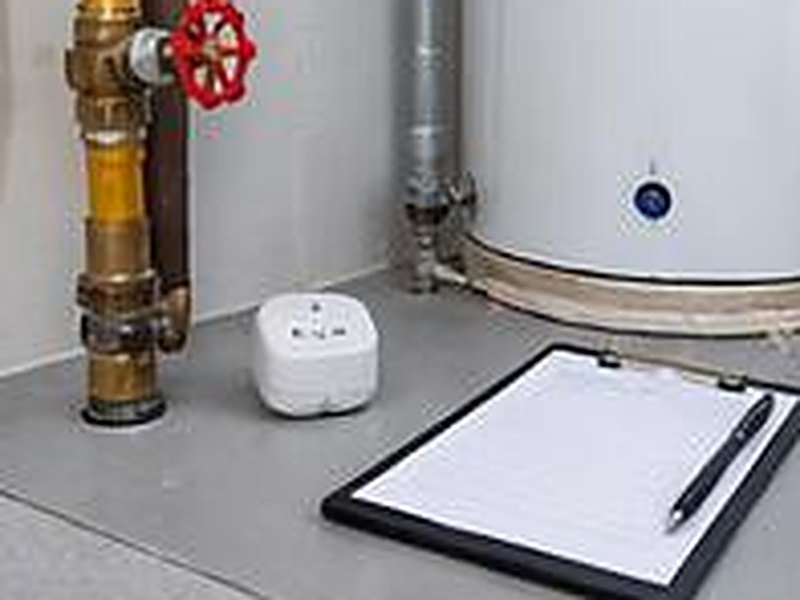
- Leak sensors. Place them near the water heater, under sinks, by the washing machine and near the AC air handler.
- Automatic shutoff valves. These close the main when sensors detect a leak or abnormal flow.
- Water pressure gauge. Pressure over about 80 psi stresses plumbing. A regulator can help.
Before you travel or leave a second home
- Shut off the main water valve
- Set the thermostat appropriately. In cold areas keep heat on at 55 degrees or more
- Have someone check the house regularly
- Consider smart sensors that alert your phone
Document your home
Take a video of each room and your belongings and store it in the cloud. Update it after major purchases. It makes any future insurance claim easier.
Frequently asked questions
How often should I replace supply hoses?
Many professionals suggest replacing rubber and braided hoses on a schedule of about five years, and sooner if you see bulges, cracks or corrosion.
Are leak sensors worth it?
They are inexpensive compared to the cost of a loss, particularly if the house is empty for stretches. Choose ones that send alerts to your phone.
Need help now? Call 623.310.1555 and get connected with an independent local company. This guide is general information and not legal, insurance or engineering advice.