Water Damage and Mold Cleanup for Schools and Institutions in Arizona
Schools, daycares, universities and public buildings have extra rules: occupied spaces, children, procurement and clear documentation. Here is what facility managers should plan for.
Call now. We answer.
Tell the operator what happened and whether water is still running. Help is one call away.
(623) 310-1555Phone line open 24 hours a day, every day
- Give your city and nearest cross streets
- Say what happened and if water is still running
- Ask the company about its license and insurance
Quick answer
Schools and institutions need restoration work that protects occupants, follows procurement rules and keeps good records. Ask any company about containment, air quality, scheduling around classes, insurance requirements and written documentation before work begins.
What facility managers should plan for
- Occupant safety. Close and isolate affected rooms, keep children and staff out, and post notices.
- Containment. Mold and sewage work needs barriers, negative air and clearance steps so spores and contaminants do not spread to occupied areas.
- Scheduling. Ask whether work can run after hours, on weekends or during breaks to limit disruption.
- Documentation. Moisture logs, photos and written scopes support insurance, risk management and board reporting.
- Procurement. Public districts may need quotes, vendor registration, proof of insurance or bonding before work.
Common problems in schools and daycares
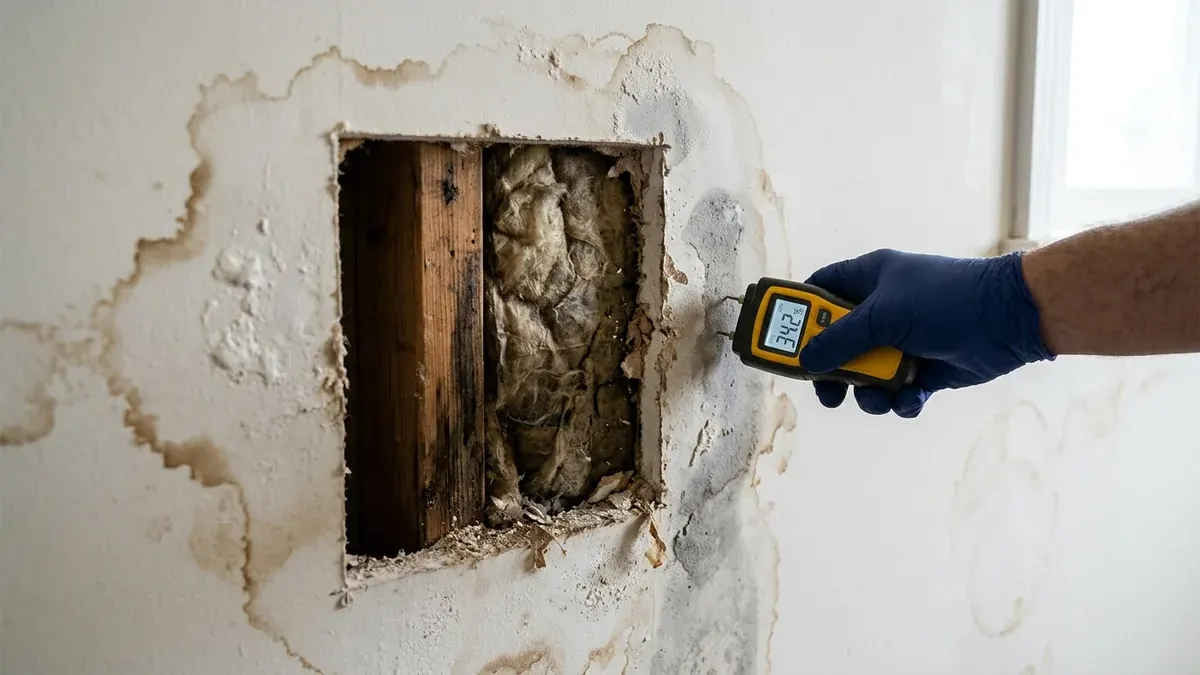
Roof leaks during monsoon storms, failed plumbing in older buildings, AC condensate overflow, restroom backups and kitchen incidents are typical. A small leak above a ceiling can soak insulation and drywall unseen, so check ceiling tiles and wall bases after storms.
Mold in classrooms and daycare rooms
If you see mold or smell a musty odor, limit access to the area and fix the moisture source. Testing and remediation should follow written guidelines. See mold testing and inspection and mold remediation. Schools and public buildings usually need pest control and moisture control handled together. For facilities in western New York, see Buffalo NY pest control.
Sewage and biohazard events
Sewage backups and similar events are not for staff to handle. Close the area and call trained crews. See biohazard cleanup.
Questions to ask any company
- What is your Arizona license number? Verify it at roc.az.gov.
- Do you carry insurance and can you provide a certificate?
- What containment and air quality steps will you use?
- Can you work around school hours?
- What records will you provide?
More on large facilities: commercial water damage restoration and water mitigation.
School district restoration services: what to ask
When a school district needs restoration services, it should ask each bidder for license verification, insurance certificates, references from similar facilities, a containment plan and a written schedule that works around classes. Compare scopes, not just prices.
Institutional biohazard cleanup
Institutional biohazard cleanup covers sewage, bodily fluids and other contamination in schools, care facilities and public buildings. It should follow written protocols, use protective equipment and include proper disposal. See biohazard cleanup.
Why institutions are different
A school, daycare or public building cannot simply close for a week. Spaces are shared, occupants include children and vulnerable adults, and decisions pass through risk managers, boards and procurement offices. The restoration plan has to protect people first, then manage disruption, cost and records.
Immediate steps for facility managers
- Make the area safe: stop the source, cut power to wet electrical areas if you can do so safely and close the room.
- Notify the people who need to know: administrators, risk management, maintenance and your insurance contact.
- Photograph and record the scene, including time, location and cause if known.
- Call a restoration company and explain that the building is occupied.
- Decide whether classes or operations must move.
Containment and air quality
When mold or contamination is involved, work areas are separated with sealed barriers, kept under negative pressure with HEPA filtered air machines and entered through a controlled path. This keeps dust and spores out of occupied spaces. After work, some projects include a clearance check by a local party before the area reopens. Ask the company how it will protect air quality and whether clearance testing will be done, and by whom.
Working around the schedule
Many institutions schedule heavy work after hours, on weekends or over breaks. Large loss projects may need phased work, area by area. Agree on access rules, security and background check requirements for companies, parking and where equipment stays overnight.
Procurement and paperwork
Public entities often need written quotes, vendor registration, certificates of insurance, safety documents and sometimes bonding. Emergency situations may allow faster purchasing, but the rules vary by organization. Ask your procurement office what documentation is required and when. Keep a project file with scopes, change orders, invoices, photos and moisture logs.
Water events in schools and daycares
Typical sources are roof leaks, aging plumbing, restroom overflows, AC condensate, kitchen incidents and storm water. Ceiling tile staining after rain often points to a roof or HVAC problem above. Restroom sewage backups require immediate closure and trained cleanup. Cafeteria and kitchen water events add food safety questions that may involve your local health authority.
Mold in institutional buildings
Look for musty odors, stained ceiling tiles, peeling paint and condensation on windows or ducts. Reduce humidity, fix leaks and limit access to affected areas. Do not clean heavy growth with staff. Have a qualified person assess it, and follow written remediation procedures. Learn more at mold testing and inspection.
Biohazard and sewage events
Sewage, bodily fluids and similar contamination should be handled by trained crews using protective equipment, proper disinfectants and lawful disposal. Staff should not clean these events. See biohazard cleanup in Arizona.
Selecting a company for an institution
- Verify the license and insurance, and request references from similar occupied facilities.
- Ask for a written containment and air quality plan.
- Request a schedule that matches your calendar.
- Compare scope and standards, not only price.
- Confirm who handles clearance and final documentation.
For broader building guidance, read commercial water damage restoration.
Schools and institutions help near me
Searching for schools and institutions help near me usually means you want someone close and available. Call the number on this page and give your city, ZIP code and nearest cross streets, so the right local crew can be lined up for your address. We cover 138 Arizona cities. Choose yours:
Frequently asked questions
Can a school stay open during water damage restoration?
Sometimes, if affected areas are isolated and air quality is protected. Many facilities schedule work after hours or move classes. Ask the company for a plan.
What should a daycare do about visible mold?
Keep children out of the area, fix the moisture source and have the area assessed before cleanup. Follow your licensing and health guidance.
What records should a facility keep after water damage?
Photos, dates, moisture readings, invoices, scope of work and communications with insurers and companies.
Do districts need special insurance proof from companies?
Often yes. Ask your procurement office what certificates and registrations are required before any work.
Sources and standards
This page is general information, written and reviewed by the Restoration Services Arizona editorial team and updated in November 2026 for 2027. It is not legal, insurance or engineering advice. Useful references:
- EPA: A Brief Guide to Mold, Moisture and Your Home
- Arizona Registrar of Contractors: license lookup
- IICRC: standards for restoration
- FloodSmart.gov: flood insurance basics
- Arizona Department of Insurance and Financial Institutions
Water is spreading right now? Do not wait.
Every hour of standing water pushes moisture further into the structure. Call now and get connected.