Flood Damage Cleanup in Arizona
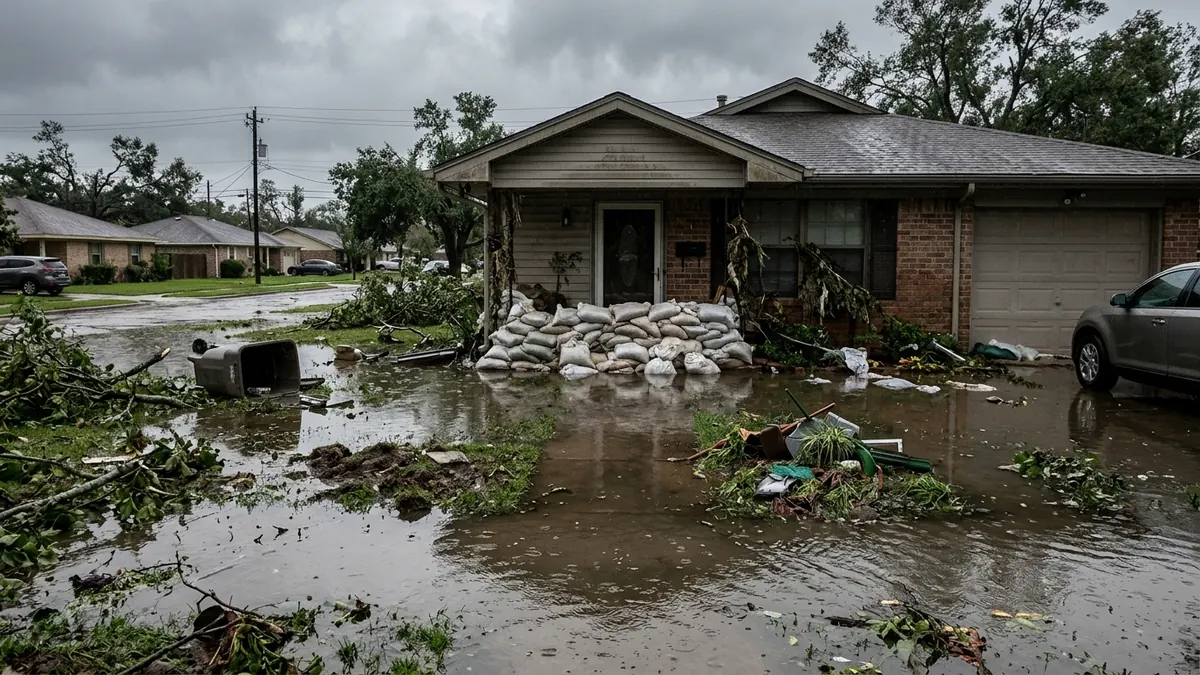
Flash floods, washes that overflow and storm runoff can put water in a home in minutes. Here is what to do and who to call.
Call now. We answer.
Tell the operator what happened and whether water is still running. Help is one call away.
(623) 310-1555Phone line open 24 hours a day, every day
- Give your city and nearest cross streets
- Say what happened and if water is still running
- Ask the company about its license and insurance
Quick answer
Stay out of moving water, turn off power to wet areas only if you can do it from a dry spot, and call for water removal as soon as the area is safe. Floodwater carries mud, bacteria and chemicals, so wet porous materials usually have to be removed, not just dried.
Where Arizona flooding comes from
- Flash floods in washes, arroyos and low streets during monsoon storms
- Heavy runoff on hard desert soil that does not absorb rain quickly
- Burn scars on nearby slopes that shed mud and debris
- Blocked street drains and retention basins that overflow
- Broken irrigation, canal or water main lines near the property
Signs water got in
- A waterline or silt mark on walls, furniture or exterior stucco
- Warped baseboards, swollen doors and soft drywall at the bottom of walls
- A musty smell that returns after you wipe the floor
- Mud or fine silt under cabinets and appliances
- A water meter or sump pump that keeps cycling after the rain stops
What to do first
- Stay out of floodwater. It can be electrically charged and carry sewage.
- Do not drive or walk through flooded roads or washes.
- Turn off power only if the panel is in a dry area and you can reach it safely. Otherwise wait for the utility.
- Photograph the waterline, damaged items and the outside of the property before anything moves.
- Call (623) 310-1555 so water removal and drying can start as early as it is safe.
What the work involves
A flood job starts with safety. The crew checks for electrical hazards, then pumps out standing water and removes mud and silt. Because floodwater is treated as contaminated, carpet, padding, soaked insulation and drywall that stayed wet usually come out. Hard surfaces are cleaned and disinfected, and the structure is dried with air movers and dehumidifiers until moisture readings return to normal.
Documentation matters as much as the cleanup. Good companies record moisture readings, take dated photos of each room and write down what was removed and why. That record is what your insurer or flood program will ask for, and it protects you if a dispute comes up later.
Arizona flood patterns
Most Arizona flooding is fast and local. A storm cell can drop an inch of rain on one neighborhood while the next one stays dry, and the water runs along washes and streets instead of soaking in. Low lots, homes near washes and properties below a hill take the brunt. Check weather.gov for flash flood warnings and sign up for alerts before the season starts. Our guide to storm, hail and flood alerts shows how.
When flood season hits
Monsoon season runs from mid June to the end of September, and the most dangerous storms come on hot afternoons and evenings. Winter storms and spring snow melt can also flood higher towns. After a wildfire, flash flood risk stays high for years on slopes that burned, even in light rain.
Emergency flood damage cleanup in arizona near me
If this is happening now, treat it as urgent. Call (623) 310-1555, which is open 24 hours a day, every day, for emergency contact and urgent services. Give your city, ZIP code and nearest cross streets, say what happened and whether water, smoke or mold is still spreading, and you can be connected with a local crew that covers your address. Searching for flood damage cleanup in arizona near me usually means you want someone close who can come soon, and the phone line is the fastest way to start.
Call right now if
- Water is still running, spreading or near electrical outlets.
- The ceiling is bulging, sagging or dripping.
- There is sewage, smoke, soot or visible mold.
- You cannot shut off the source.
- It is night, a weekend or a holiday and the damage is growing.
Can wait for business hours
- A dry stain with no new growth and no smell.
- Questions about cost, insurance paperwork or scheduling repairs.
- Planning prevention before the next season.
What affects the cost
- How deep the water was and how long it stayed
- Whether the water was clean, gray or contaminated
- How much drywall, flooring and insulation has to be removed
- Size of the affected area and number of rooms
- Whether mud and debris removal is needed outside the building
Prices vary by home and by how long the damage sat, so ask for a written scope you can compare. Our cost guide explains typical ranges and what to watch for.
Mistakes to avoid
- Walking into the house before the power situation is clear
- Keeping soaked carpet pad or drywall that touched floodwater
- Using a household vacuum on standing water
- Waiting for the water to go down on its own while materials soak
Insurance and paperwork
Standard homeowners policies often exclude flood. Flood coverage usually comes from a separate policy, often through the National Flood Insurance Program, and has its own waiting period and claim steps. Photograph everything, save receipts for emergency work and report the loss quickly. Read how to file a water damage claim in Arizona before you call your insurer.
How to choose a company
Ask for the Arizona license number and verify it at roc.az.gov, ask for proof of liability insurance, and ask how moisture and progress will be documented. A trustworthy company explains its scope in writing before it removes anything and works with your insurer if you file a claim. Read how to hire a water damage company in Arizona before you decide.
What happens after you call
- The operator asks for your city, ZIP code and what happened.
- You are connected with a local company that covers your area.
- The company confirms timing and explains its process and pricing.
- Work starts with safety, source control and documentation.
- You keep photos, readings and invoices for your records.
Related help
- Storm and monsoon damage
- Burn scar flooding and mud cleanup
- Structural drying
- Arizona water damage calendar
- Arizona service areas
Flood Damage Cleanup in Arizona near me in Arizona cities
We cover 138 Arizona cities. Choose yours to see ZIP codes, local conditions and the 24/7 phone line:
More on this topic: water damage mitigation, emergency water damage cleanup and burst pipe cleanup.
Frequently asked questions
Is floodwater always contaminated?
Treat it that way. Floodwater from washes and streets carries soil, bacteria and chemicals, so porous materials that soaked in it are normally removed.
How fast should flood cleanup start?
As soon as it is safe to enter. Mold can start within one to two days in wet materials.
Can I clean up flood damage myself?
Small amounts of clean water, yes. For floodwater with mud or sewage, protective gear and proper disposal matter, so most owners call a professional.
Does homeowners insurance cover flood?
Often not. Flood is usually a separate policy. Check your declarations page and ask your agent.
What if the storm is still going?
Stay safe first. Do not enter water, and call once conditions allow. Alerts from weather.gov tell you when it is safe.
Sources and standards
This page is general information, written and reviewed by the Restoration Services Arizona editorial team and updated in November 2026 for 2027. It is not legal, insurance or engineering advice. Useful references:
- EPA: A Brief Guide to Mold, Moisture and Your Home
- Arizona Registrar of Contractors: license lookup
- IICRC: standards for restoration
- FloodSmart.gov: flood insurance basics
- Arizona Department of Insurance and Financial Institutions
Water is spreading right now? Do not wait.
Every hour of standing water pushes moisture further into the structure. Call now and get connected.