Smoke Damage Restoration Services in Arizona
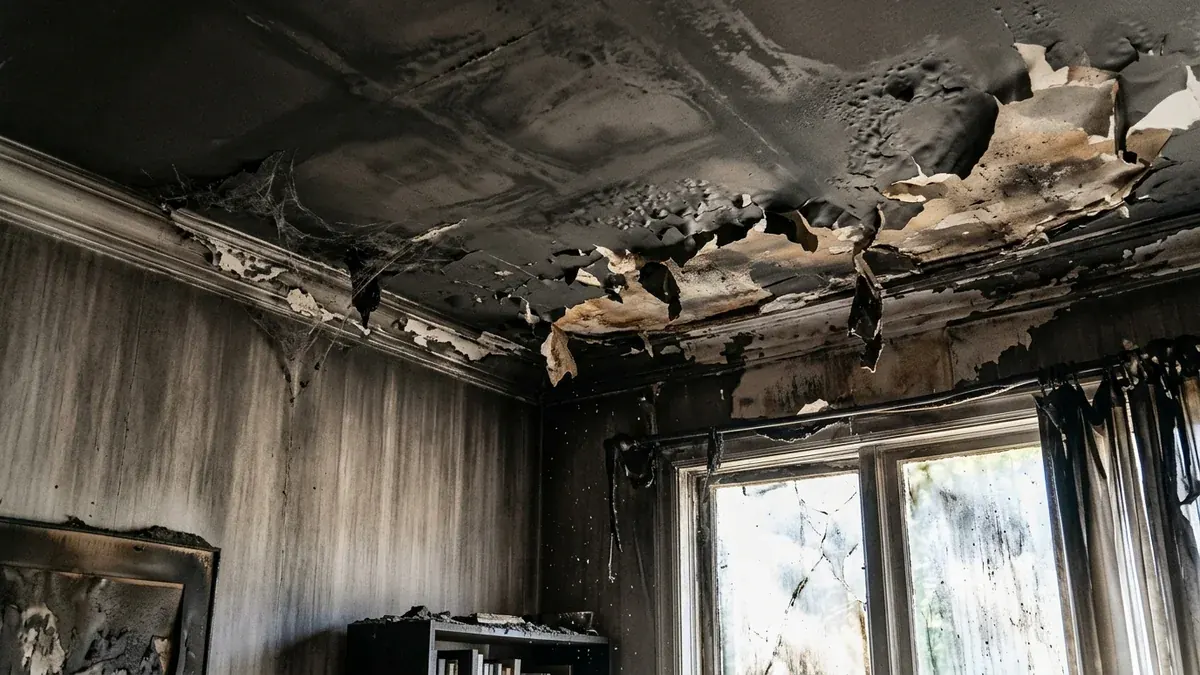
Smoke reaches places flames never touch. Soot settles in walls, ducts, insulation and clothing, and the smell lingers until the residue is actually removed. Call for smoke damage cleanup, soot removal and odor control across Arizona.
Call now. We answer.
Tell the operator what happened and whether water is still running. Help is one call away.
(623) 310-1555Phone line open 24 hours a day, every day
- Give your city and nearest cross streets
- Say what happened and if water is still running
- Ask the company about its license and insurance
Quick answer
Smoke damage restoration is the cleaning and repair work that removes soot, smoke residue and odor after a fire. It usually includes safety checks, soot removal from surfaces, cleaning of contents, air and duct cleaning, and repair planning. The work should start soon after a fire, because soot is acidic and keeps damaging surfaces the longer it sits.
What smoke damage restoration includes
A fire leaves more than burned materials. Smoke carries fine particles and gases that travel through the whole building, especially when the HVAC system was running. A complete smoke damage cleanup normally covers these steps:
- Safety and board up. Doors, windows and roof openings are secured so weather and strangers stay out.
- Water first, when needed. Firefighting water is removed and dried before soot work, because wet soot smears and mold can follow. See water mitigation.
- Soot removal. Dry soot is lifted with HEPA vacuuming and dry cleaning sponges before any wet cleaning, so it is not pressed into porous surfaces.
- Wall, ceiling and floor cleaning. Surfaces are cleaned with products matched to the soot type and the material.
- Contents cleaning. Clothing, furniture, electronics and keepsakes are sorted into clean, restorable and not worth saving.
- Smoke odor removal. Odor is treated after the source residue is gone, using air scrubbers, deodorizing and, where appropriate, thermal fogging or hydroxyl equipment.
- Repair planning. Drywall, insulation, flooring and paint are repaired or replaced where cleaning cannot recover them.
Why smoke damage cleanup should not wait
Soot is acidic. Left in place it can etch glass, tarnish metal, stain grout and permanently discolor painted surfaces. Odor molecules also bond to porous materials such as upholstery, carpet and insulation. Calling early gives you more options and often a smaller repair bill. Vacant, smoke damaged homes are attractive to rodents once doors and windows are boarded. Owners with buildings in New York can read Buffalo NY exterminator advice.
Types of smoke and why they matter
Different fires leave different residue. Dry smoke from fast burning paper and wood is powdery and easier to lift. Wet smoke from slow, low heat fires, such as a smoldering electrical fire, is sticky and smears. Protein residue from a kitchen fire is nearly invisible yet has a strong smell. Fuel oil and furnace puff backs leave heavy, oily soot. A company should identify the type before choosing a cleaning method.
What not to do after a fire
- Do not wipe soot with a wet rag. It spreads and sets.
- Do not run the HVAC system until it has been inspected, because it moves soot through the building.
- Do not turn on electronics or appliances that were exposed to smoke or water.
- Do not use ozone generators in an occupied home. Ask the company about safer odor methods.
- Do not throw anything away before you photograph it. Your insurer may want a list.
Smoke damage and insurance
Most homeowners policies cover smoke damage from a covered fire. Report the loss quickly, keep receipts for emergency costs and photograph everything before cleanup. Read what to do after a house fire for the full checklist.
Smoke damaged documents, photos and electronics
Smoke damaged documents and photos can sometimes be recovered with specialty cleaning, so do not throw them away. Dry cleaning methods are used on paper that is only soot stained. Electronics exposed to smoke should stay off, because soot can corrode circuits. Ask the company about contents cleaning and make a list of what matters most to you.
Emergency fire damage board up
After a fire, openings in walls, doors and the roof are secured with an emergency board up and tarping so rain, wind and trespassers stay out. Insurers often expect this step to be done promptly, and it protects the structure while repairs are planned.
Also see fire damage restoration for board up, structural repair and city coverage, and how to vet a restoration company before you sign.
How soot and smoke behave, and why that changes the cleaning
Smoke is a mix of tiny solid particles, droplets and gases. The particles settle on every surface. The gases travel through gaps around pipes, outlets and ducts and can leave an odor in rooms that never saw fire. Heat also drives smoke into cool areas, which is why upstairs bedrooms and closed cabinets often smell after a kitchen fire downstairs.
Restoration companies sort residue into types because each type needs a different method. Dry, powdery soot from fast burning wood and paper is lifted with HEPA vacuums and dry sponges. Sticky soot from smoldering plastics and rubber smears if wet cleaned too early. Protein residue from burned food is almost invisible but leaves a sharp smell and can discolor paint. Oily soot from heating system puff backs needs degreasing. A technician who treats all of these the same way is guessing.
A realistic smoke damage restoration timeline
- Day of the fire. Fire department clears the scene. You report the claim, photograph the damage and arrange a board up and utilities check.
- First few days. Water extraction if hoses were used, soot removal begins, contents are packed or inventoried and HVAC is shut off and inspected.
- First two weeks. Walls, ceilings and floors are cleaned, ducts are evaluated, odor treatment starts and the scope of repairs is agreed with the insurer.
- Weeks two to many. Demolition of unsalvageable materials, drywall, insulation, flooring and paint are rebuilt. Large losses take months.
These ranges are general. The size of the fire, access to materials and insurer approvals change them, so ask the company for a written schedule and expect it to move.
What gets cleaned and what gets replaced
Hard, non porous surfaces such as glass, metal, ceramic and sealed countertops usually clean well. Painted drywall can often be cleaned and sealed. Porous materials such as insulation, upholstered furniture, mattresses and carpet pad hold smoke deep inside and are often replaced, especially when the odor is strong. Clothing and soft goods can frequently be laundered or professionally cleaned. Electronics need inspection by a technician before use, because soot is conductive and acidic.
Ducts, attics and the rest of the house
Smoke reaches wherever air moves. If the HVAC system ran during or after the fire, soot is probably in the supply and return ducts and the air handler. Attic insulation near the fire can hold odor for years. A thorough job checks these hidden areas, not only the burned room. If your smell returns on hot afternoons, hidden residue is a common reason, because heat releases odor from surfaces that were only cleaned on top.
Smoke damage in Arizona homes
Arizona homes often have tile floors, stucco exteriors and tight attics. Tile and grout stain from soot but clean well when treated promptly. Stucco can hold smoke staining and may need washing and repainting. Because summers are hot, an occupied house with the AC running can pull smoke into duct systems quickly, so turn the system off after a fire until it has been checked. Wildfire smoke in Arizona can also enter homes through gaps and leave light odor and ash, and the same cleaning principles apply on a smaller scale.
Questions to ask a smoke damage company
- Which smoke type do you think we have, and how will you clean it?
- Will you inspect and clean the ducts and attic, or only the visible rooms?
- How do you handle contents cleaning, and where is it done?
- What odor method will you use, and is it safe for people and pets?
- What is the license number and what does the insurance certificate cover?
- Can I have the scope, equipment and schedule in writing?
Your next step
If you have smoke damage now, call the number on this page and describe what burned, how far smoke traveled and whether water was used. Have your insurance information ready. For a broader view of fire recovery, see fire damage restoration in Arizona.
Smoke damage restoration help near me
Searching for smoke damage restoration help near me usually means you want someone close and available. Call the number on this page and give your city, ZIP code and nearest cross streets, so the right local crew can be lined up for your address. We cover 138 Arizona cities. Choose yours:
More fire help: Kitchen Fire and Grease Smoke Cleanup and Wildfire Smoke and Ash Cleanup in Arizona.
Frequently asked questions
What is smoke damage restoration?
It is the cleaning and repair of a building and its contents after a fire. The goal is to remove soot, smoke residue and smoke odor, then repair what cleaning cannot recover.
How long does smoke damage cleanup take?
A small kitchen fire may take a few days. A whole home loss can take weeks, depending on how far the smoke traveled, how much needs replacing and how busy local crews are. Ask the company for a written scope and schedule.
Can smoke smell be removed completely?
In most cases yes, if the residue is removed first and the odor is treated afterward. Porous items such as mattresses and insulation sometimes must be replaced.
Does homeowners insurance cover smoke damage?
Usually, when the smoke comes from a covered fire. Coverage depends on your policy, so read it and report the claim promptly.
Is smoke damage dangerous to breathe?
Smoke residue contains fine particles and chemicals. Stay out of heavily affected areas until they are cleaned, and ask a doctor about breathing symptoms.
Sources and standards
This page is general information, written and reviewed by the Restoration Services Arizona editorial team and updated in November 2026 for 2027. It is not legal, insurance or engineering advice. Useful references:
- EPA: A Brief Guide to Mold, Moisture and Your Home
- Arizona Registrar of Contractors: license lookup
- IICRC: standards for restoration
- FloodSmart.gov: flood insurance basics
- Arizona Department of Insurance and Financial Institutions
Water is spreading right now? Do not wait.
Every hour of standing water pushes moisture further into the structure. Call now and get connected.