Quick answer
Find your main water shutoff before an emergency, test it twice a year and keep a small kit with a flashlight, a valve key, towels, phone numbers and documents. Smart leak sensors can alert you and some can close the valve for you.
Why shutoff knowledge matters
Every minute a pipe runs adds to the damage. Knowing where to shut off water can turn a major loss into a small cleanup. Many homeowners do not know where the valve is until a pipe bursts, and some valves are stuck or hidden.
Where to look
- The main shutoff is often near the water heater, in a garage, a utility closet or on an outside wall facing the street.
- Many Arizona homes also have a shutoff at the meter box near the street, which may need a special key.
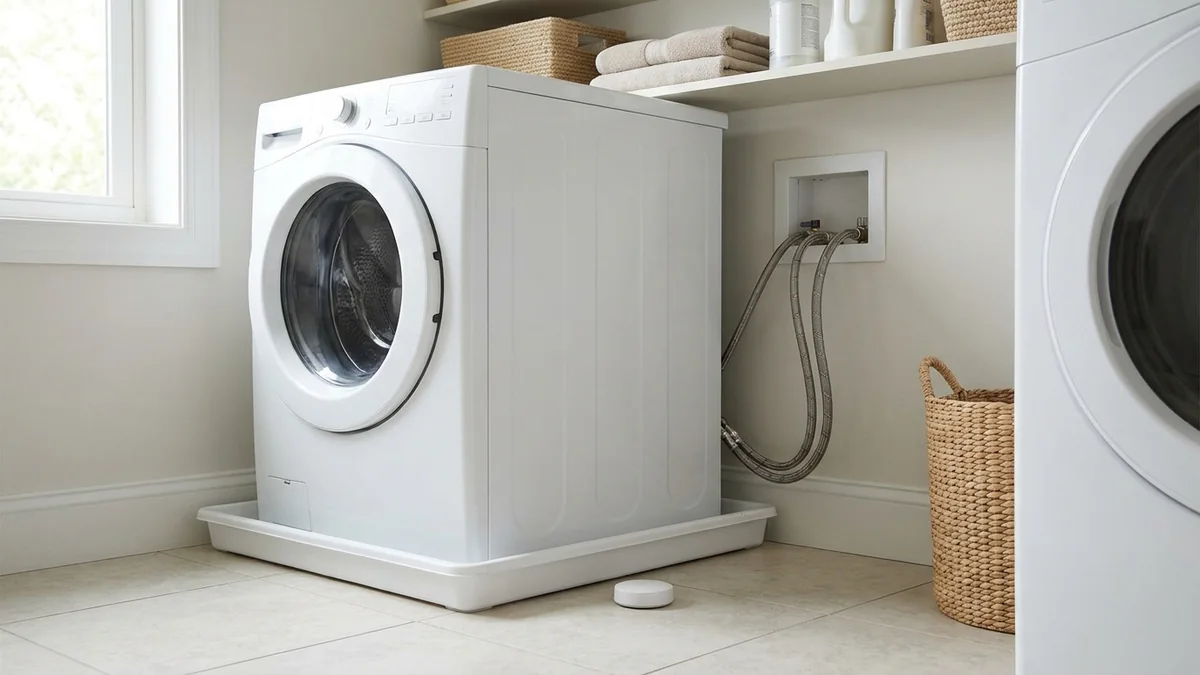
- Appliances such as toilets, sinks, washers, dishwashers and ice makers usually have their own small shutoff valves.
Valve types
Gate valves have a round handle that turns many times and can seize with age. Ball valves have a lever that turns a quarter turn and are more reliable. If your valve is stuck or leaks, ask a plumber to replace it before you need it.
Test twice a year
Turn the main valve off and on to make sure it works, and label it with a tag. Test appliance valves too. A valve that has not moved for years can fail when you need it.
Emergency kit
- Flashlight and extra batteries.
- Valve key or wrench for the meter box.
- Towels, buckets and a wet vacuum if you have one.
- Phone numbers for your plumber, insurer and (623) 310-1555.
- Photos of belongings and insurance documents stored safely.
- Plastic sheeting and tape for temporary protection.
Smart sensors and shutoff devices
Water sensors near water heaters, washers and under sinks send alerts to your phone. Whole home shutoff devices monitor flow and close the valve automatically if they detect a leak. These devices are especially useful for vacation homes and rentals. See vacation home and rental leaks.
What to do after shutting off water
- Turn off power to wet areas if it is safe.
- Remove standing water and move belongings.
- Photograph damage.
- Call (623) 310-1555 for emergency drying.
- Call your insurer and keep receipts.
For a seasonal view of risks, use our water damage calendar, and for burst pipes read burst pipe: what to do.
More guides to read next
- Burst Pipe: What to Do
- Prevent Water Damage Checklist
- Arizona Water Damage Calendar
- Water Heater Leak Guide
Get help in your city
Pick your city for local conditions, ZIP codes and the 24/7 line at (623) 310-1555.
How this changes across Arizona
Low desert
In the Sonoran Desert, dry air can hide moisture. A leak that never shows a puddle can still soak a wall, so stains, musty smells and a rising water bill are all worth checking.
High country
Northern and eastern Arizona homes see snow load, ice and freeze and thaw cycles. After a thaw, check attics, crawl spaces and the walls under roof valleys for hidden moisture.
Colorado River
Along the Colorado River, in Yuma, Lake Havasu City and Bullhead City, extreme heat and humidity near the river stress cooling systems, and second homes and rentals can leak unseen for long periods.
Keep these records
- The date and time you first noticed the problem, and what you did.
- Photos and video of the damage before and after any cleanup.
- The name, license number and insurance proof of every company.
- Moisture readings and drying logs, if the company provides them.
- A written scope and every invoice, receipt and message.
- Your insurance claim number and the adjuster's contact details.
When to call
If water is spreading, a pipe has burst, or you are unsure how far the damage goes, call (623) 310-1555 any hour for emergency contact and urgent services. For storms, check weather.gov and the storm, hail and flood alerts guide, and see the FEMA app guide to set up alerts. To find your ZIP code, use the ZIP code lookup. To compare prices, read the cost guide.
More quick answers
How fast should I call after water damage?
As soon as you can safely do so. Water moves into drywall, insulation and flooring within hours, and mold can start in a day or two in damp materials. Call (623) 310-1555 at any hour.
Does this help line charge me to call?
Calling to describe the damage and get connected does not obligate you to hire anyone. You decide whether to use the company you are connected with.
What should I photograph before cleanup starts?
Take wide and close photos of the water, the source, damaged belongings and any visible staining, with the date. Keep receipts. This record helps with insurance.
Do I need to be home when the crew arrives?
Someone with access to the property should be there to show the damage and sign the work authorization. Ask the company how it handles access and keys.
Can I use my own plumber first?
Yes. Stopping the leak is the first step, and a plumber can do that. A restoration company then dries and cleans what the water reached.
Frequently asked questions
Where is my main water shutoff?
Often near the water heater, in a garage or at the front of the house. The meter box may have a street shutoff.
How often should I test valves?
Twice a year is a good habit.
Do smart sensors work?
Yes. They alert you when water is detected, and some can close the valve.
What if the valve is stuck?
Call a plumber to replace it before an emergency.
Who should I call first in an emergency?
Shut off the water, then call (623) 310-1555 and your insurer.
Sources and further reading
- National Weather Service: Flood Safety
- Ready.gov: Floods
- FEMA: Emergency alerts and preparedness
- Arizona Registrar of Contractors: license lookup