Quick answer
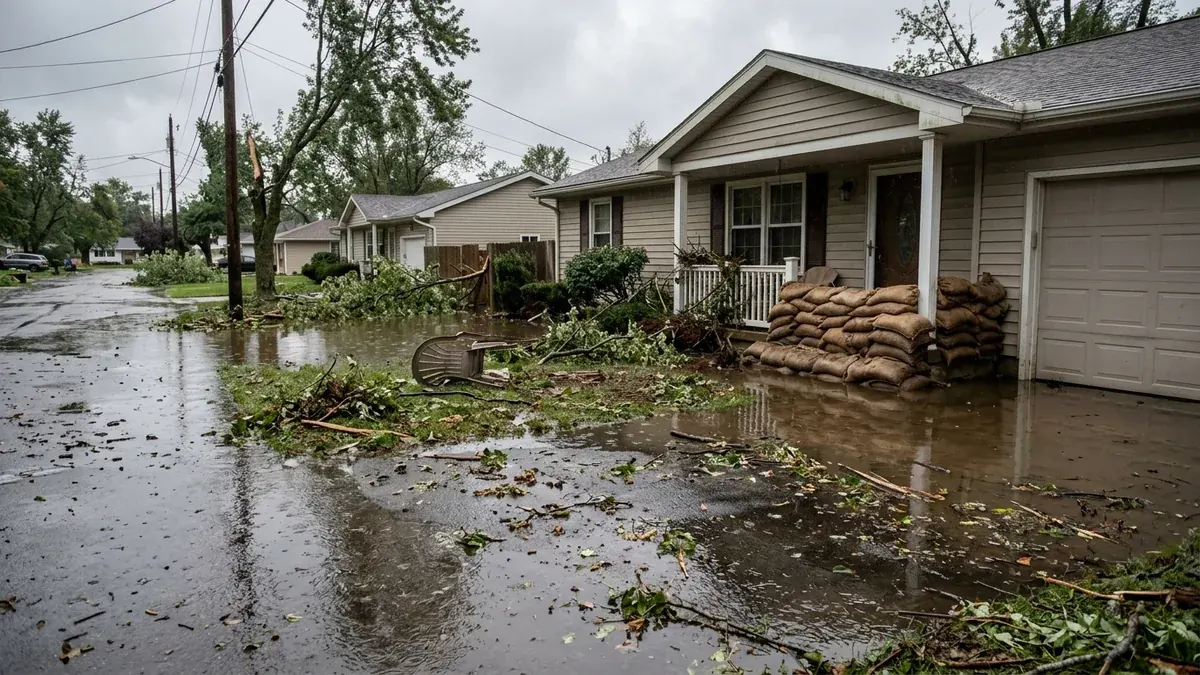
Turn around, do not drown. Never drive or walk through flooded roads or washes, move to higher ground and follow weather.gov warnings. After the water recedes, photograph damage, stay out of contaminated water and call for cleanup and drying.
Why flash floods are dangerous here
Desert soil often repels rain, so water runs off quickly into washes, arroyos and streets. A storm miles away can send a wall of water through a dry wash with little warning. Roads that dip through washes are especially dangerous, and Arizona has a law that can charge drivers who ignore barricades and need rescue.
Before the storm
- Know whether your home is near a wash or in a low area.
- Sign up for alerts and keep Wireless Emergency Alerts on.
- Keep sandbags, plastic sheeting and a flashlight handy.
- Know your main water and electrical shutoffs.
- Photograph belongings for insurance.
Our storm, hail and flood alerts guide and FEMA app guide show how to set alerts.
During a flash flood
- Move to higher ground right away.
- Do not drive or walk through floodwater.
- Avoid washes, even if the sky above you is clear.
- Stay away from downed power lines.
- Call 911 for life threatening emergencies.
After the water recedes
Wait until officials say it is safe. Photograph the waterline and damage, and keep out of standing water that may be electrified or contaminated. Wear boots and gloves, and call for water removal and drying. Mud and debris should be removed while soft. See flood damage cleanup and burn scar flooding and mud cleanup.
Insurance and flood coverage
Standard homeowners policies often exclude flood. Flood coverage is commonly a separate policy with a waiting period, so do not wait for a storm to ask. Learn more at floodsmart.gov and read does homeowners insurance cover water damage.
Cleanup and mold
Floodwater is considered contaminated. Porous materials that stayed wet are usually removed, and the structure should be dried quickly to prevent mold. Our water damage categories guide explains why.
More guides to read next
- Monsoon Flood and Storm Damage Guide
- Storm, Hail and Flood Alerts
- Arizona Water Damage Calendar
- Water Shutoff and Emergency Kit Guide
Get help in your city
Pick your city for local conditions, ZIP codes and the 24/7 line at (623) 310-1555.
How this changes across Arizona
Low desert
In the low desert around Phoenix, Tucson and Yuma, the usual water problems are cooling system condensate, failing supply lines and water heaters, slab leaks and monsoon roof leaks. Heat helps materials dry but also speeds odor and mold, so slow action still costs you.
High country
At higher elevation around Flagstaff, Prescott and the White Mountains, winter freezes, ice dams and spring snow melt drive most water damage. Pipes in exterior walls and unheated spaces are the usual weak points.
Colorado River
Along the Colorado River, in Yuma, Lake Havasu City and Bullhead City, extreme heat and humidity near the river stress cooling systems, and second homes and rentals can leak unseen for long periods.
Keep these records
- The date and time you first noticed the problem, and what you did.
- Photos and video of the damage before and after any cleanup.
- The name, license number and insurance proof of every company.
- Moisture readings and drying logs, if the company provides them.
- A written scope and every invoice, receipt and message.
- Your insurance claim number and the adjuster's contact details.
When to call
If water is spreading, a pipe has burst, or you are unsure how far the damage goes, call (623) 310-1555 any hour for emergency contact and urgent services. For storms, check weather.gov and the storm, hail and flood alerts guide, and see the FEMA app guide to set up alerts. To find your ZIP code, use the ZIP code lookup. To compare prices, read the cost guide.
More quick answers
How fast should I call after water damage?
As soon as you can safely do so. Water moves into drywall, insulation and flooring within hours, and mold can start in a day or two in damp materials. Call (623) 310-1555 at any hour.
Does this help line charge me to call?
Calling to describe the damage and get connected does not obligate you to hire anyone. You decide whether to use the company you are connected with.
What should I photograph before cleanup starts?
Take wide and close photos of the water, the source, damaged belongings and any visible staining, with the date. Keep receipts. This record helps with insurance.
Do I need to be home when the crew arrives?
Someone with access to the property should be there to show the damage and sign the work authorization. Ask the company how it handles access and keys.
Can I use my own plumber first?
Yes. Stopping the leak is the first step, and a plumber can do that. A restoration company then dries and cleans what the water reached.
Frequently asked questions
What does turn around, do not drown mean?
If a road is flooded, do not enter. Find another route.
Is a dry wash safe?
No. Water can arrive from storms miles away.
How deep can water sweep a car away?
A foot or two of moving water can carry away a vehicle.
Is floodwater safe to touch?
No. It can carry bacteria, chemicals and debris.
Who do I call after the flood?
Call (623) 310-1555 for cleanup and drying.
Sources and further reading
- National Weather Service: Flood Safety
- Ready.gov: Floods
- FEMA: Emergency alerts and preparedness
- Arizona Registrar of Contractors: license lookup