Quick answer
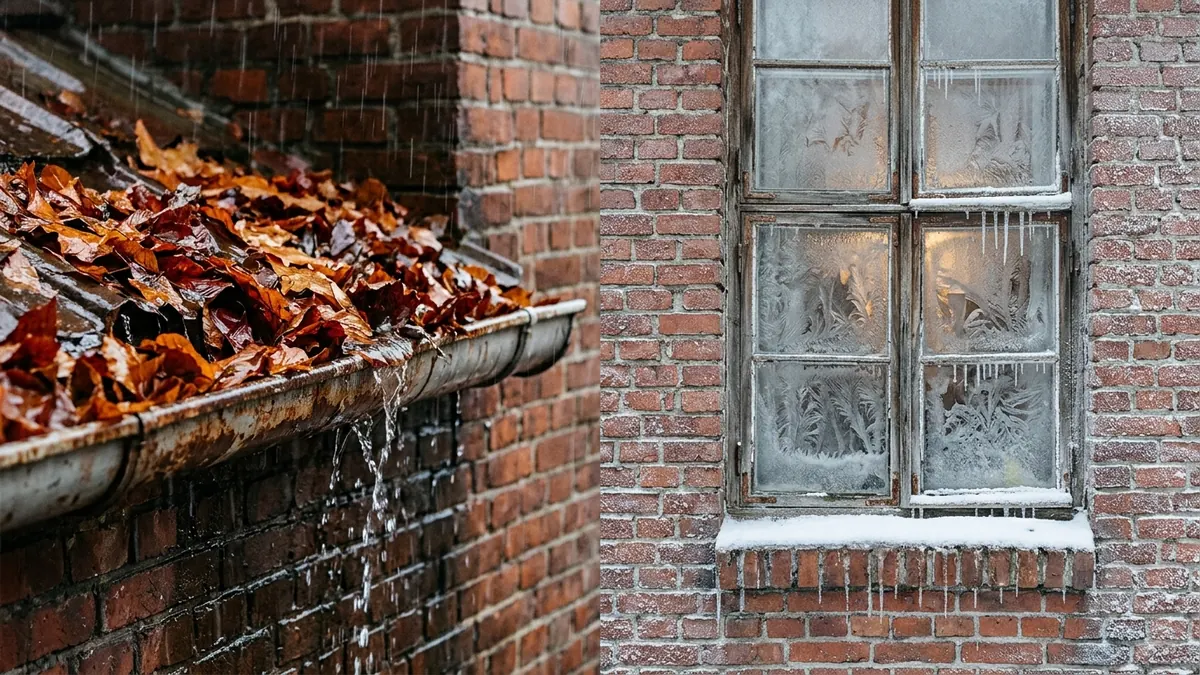
In mountain and hill towns, water damage comes from snow load, ice dams, frozen pipes, spring melt and flash runoff from slopes and burn scars. Keep roofs and drains clear, protect pipes and drain vacant homes before winter.
What makes the high country different
Above about 4,000 feet, Arizona has real winters. Towns such as Flagstaff, Prescott, Payson, Show Low, Pinetop, Williams and Forest Lakes see snow, deep freezes and heavy spring melt. Homes on slopes also face runoff, and wildfires have left burn scars that flood easily. These conditions produce water damage patterns that look more like the northern states than the desert.
Frozen pipes and vacant cabins
Pipes in exterior walls, crawl spaces and unheated garages freeze first. Cabins and second homes left empty are the most exposed, because a pipe can burst and run for days. Winterize vacant properties by shutting off and draining the water or keeping heat on at a safe minimum, and consider a smart sensor that alerts you. See vacation home and rental leaks.
Ice dams and snow load
Heat escaping through the roof melts snow, which refreezes at the eave and backs water under shingles. Add attic insulation and air sealing, keep gutters clear and use a roof rake from the ground. Read ice dams and winter storm water damage and the frozen pipe and ice dam damage page.
Spring snow melt and crawl spaces
As snow melts, water presses against foundations and enters crawl spaces and basements. Grade soil away from the home, extend downspouts and test sump pumps with a battery backup. See crawl space and basement flooding.
Slopes, runoff and burn scars
Steep lots shed water quickly, and burned slopes shed mud and debris. Flash flood warnings after rain near a burn scar should be taken seriously. Clear drainage channels and keep sandbags ready. See burn scar flooding and mud cleanup.
Wells, septic and rural access
Many mountain properties use wells and septic systems that can be affected by floods and freezes. Roads can be slow in winter, so call early and give clear directions.
Mountain town checklist
- Insulate pipes in exterior walls and crawl spaces.
- Keep gutters and roof edges clear.
- Test sump pumps and drain irrigation lines.
- Winterize vacant homes or keep heat on.
- Know your shutoff and keep a kit ready.
- Sign up for alerts for your ZIP code.
Find your town on our northern Arizona, central highlands or eastern Arizona pages. For urgent help, call (623) 310-1555.
More guides to read next
- Arizona Water Damage Calendar
- Frozen Pipes in Northern Arizona
- Flash Flood Safety in Arizona
- Water Shutoff and Emergency Kit Guide
Get help in your city
Pick your city for local conditions, ZIP codes and the 24/7 line at (623) 310-1555.
How this changes across Arizona
Low desert
Valley homes face a long hot season with air conditioners running hard, and a short but intense monsoon from July to September. Both create water losses, so it helps to know where your main shutoff is before anything fails.
High country
Cold months change the job in northern Arizona: frozen ground and cold interiors slow drying, and a building without heat can freeze again. Keep the heat on at a safe minimum if you leave a cabin.
Colorado River
Western Arizona summers are some of the hottest in the country. Air conditioner failures and condensate overflows are common causes of water damage, and empty properties benefit from a monthly check.
Keep these records
- The date and time you first noticed the problem, and what you did.
- Photos and video of the damage before and after any cleanup.
- The name, license number and insurance proof of every company.
- Moisture readings and drying logs, if the company provides them.
- A written scope and every invoice, receipt and message.
- Your insurance claim number and the adjuster's contact details.
When to call
If water is spreading, a pipe has burst, or you are unsure how far the damage goes, call (623) 310-1555 any hour for emergency contact and urgent services. For storms, check weather.gov and the storm, hail and flood alerts guide, and see the FEMA app guide to set up alerts. To find your ZIP code, use the ZIP code lookup. To compare prices, read the cost guide.
More quick answers
How fast should I call after water damage?
As soon as you can safely do so. Water moves into drywall, insulation and flooring within hours, and mold can start in a day or two in damp materials. Call (623) 310-1555 at any hour.
Does this help line charge me to call?
Calling to describe the damage and get connected does not obligate you to hire anyone. You decide whether to use the company you are connected with.
What should I photograph before cleanup starts?
Take wide and close photos of the water, the source, damaged belongings and any visible staining, with the date. Keep receipts. This record helps with insurance.
Do I need to be home when the crew arrives?
Someone with access to the property should be there to show the damage and sign the work authorization. Ask the company how it handles access and keys.
Can I use my own plumber first?
Yes. Stopping the leak is the first step, and a plumber can do that. A restoration company then dries and cleans what the water reached.
Frequently asked questions
Do I need to winterize a cabin?
Yes, or keep heat on. A burst pipe in an empty cabin can cause major damage.
What causes ice dams?
Heat from the home melts snow that refreezes at the roof edge.
Are burn scars still risky years later?
Yes, flash flood risk can last for years until plants recover.
Can snow melt flood a crawl space?
Yes, especially when the ground is saturated.
Who do I call in winter?
Call (623) 310-1555 and share your town and road access.
Sources and further reading
- National Weather Service: Flood Safety
- Ready.gov: Floods
- FEMA: Emergency alerts and preparedness
- Arizona Registrar of Contractors: license lookup